
Key Points:
- Autistic children want connection: Social and communication challenges reflect differences in processing, not a lack of interest in friendships.
- Communication goes beyond speech: Gestures, visuals, AAC, and behavior are all valid ways children express their needs and build relationships.
- Support makes a difference: With individualized, evidence-based ABA strategies, children can develop communication, social skills, and meaningful friendships over time.

Building Relationships and Friendships in Autism
Building relationships and friendships can be challenging for individuals with autism due to the core characteristics of Autism Spectrum Disorder (ASD), which primarily affect social communication and interaction. These challenges are not a reflection of a lack of interest in friendships. Instead, they stem from differences in how social information is processed and understood.
Key Factors That Can Affect Social Relationships
Difficulty Interpreting Social Cues
Many individuals with autism struggle to interpret facial expressions, body language, eye contact, and tone of voice. This can make it harder to understand emotions, intentions, and subtle social nuances.
Communication Differences
Challenges in verbal and non-verbal communication may affect how children express their thoughts and feelings or understand others’ perspectives. Conversational back-and-forth can be particularly difficult.
Unspoken Social Rules
Social expectations, such as how to start or end conversations, take turns, or join a group, are often implicit. Children with autism may not intuitively grasp these rules, leading to confusion or misunderstandings.
Sensory Sensitivities
Noisy, crowded, or visually overwhelming environments can make social settings stressful. This may cause children to avoid common social spaces where friendships typically form.
Preference for Routine and Focused Interests
A desire for predictability and deep engagement in specific interests can make spontaneous or varied social activities challenging. At the same time, shared interests can become powerful tools for connection.
Misinterpretation by Others
Direct communication styles or different emotional expression may be misunderstood by neurotypical peers as disinterest or rudeness, increasing the risk of social exclusion.
Perspective-Taking Challenges (Theory of Mind)
Understanding that others have different thoughts, feelings, and intentions can be difficult, making it harder to anticipate reactions in social situations.
A Strength-Based Perspective
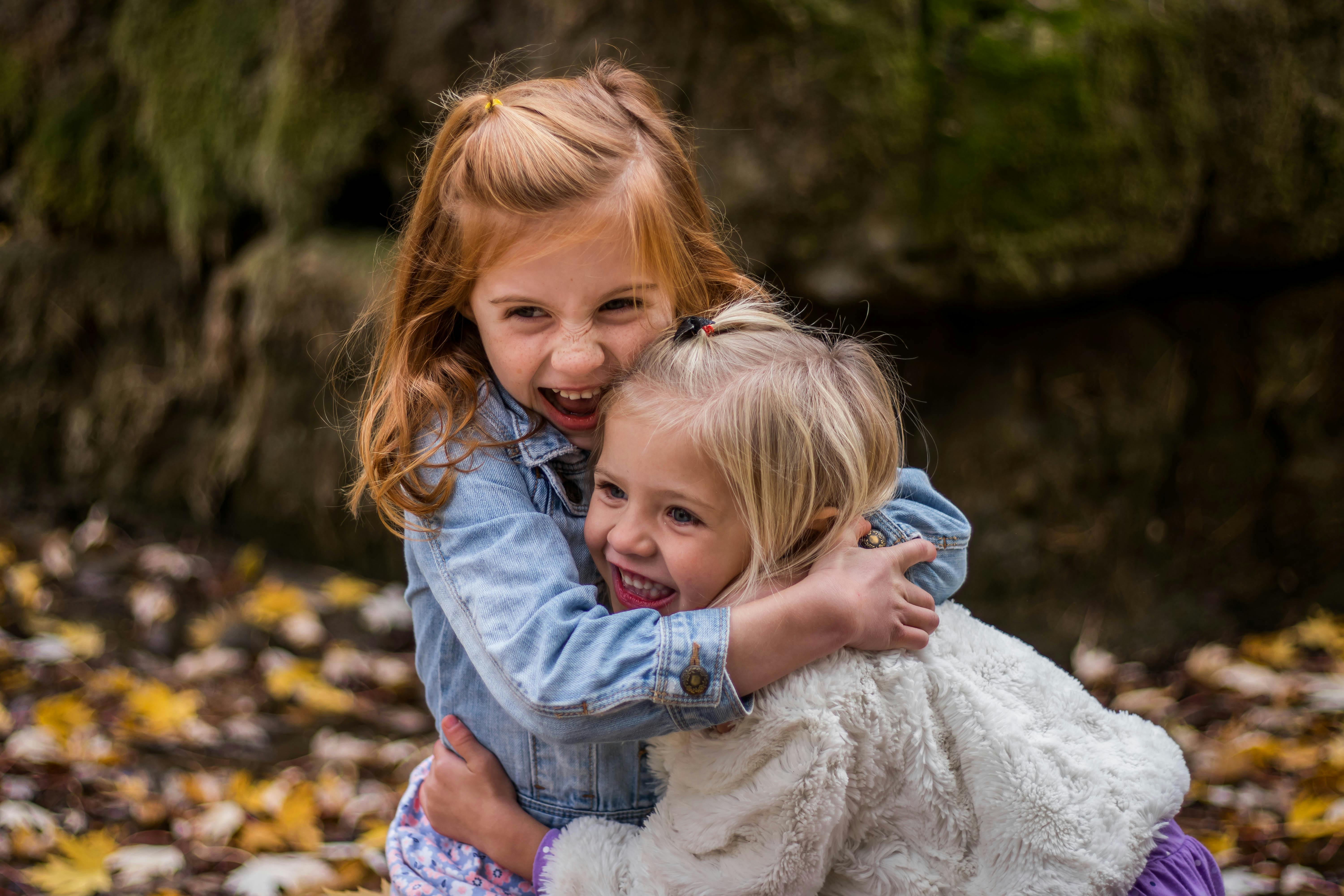
Despite these challenges, many individuals with autism deeply value relationships. With appropriate support, skill-building, and inclusive environments, especially those centered on shared interests, children with autism can form meaningful, lasting friendships.
Communication Skills Development in Autism: Building a Strong Foundation
Communication development begins by meeting the child where they are. Communication is not limited to spoken words; it includes gestures, pictures, facial expressions, AAC, and behavior. In ABA therapy, a child’s current communication methods are assessed and expanded gradually.
Early goals often focus on:
- Requesting needs and wants
- Expressing emotions
- Engaging socially in simple, meaningful ways
Example: A toddler who cannot yet speak cries and pulls a parent toward the fridge. Instead of guessing, the child is taught to hand over a picture of “juice.” Each successful exchange is reinforced immediately, teaching the child that communication works. Over time, pictures may evolve into gestures, signs, or spoken words.
Language Development in ABA: From Requests to Conversation
ABA focuses on teaching the purpose of communication before speech complexity. Children first learn that communication allows them to get needs met, share experiences, and interact with others.
Therapists use play, repetition, and positive reinforcement to make learning motivating and pressure-free.
Example: During bubble play, the therapist pauses and waits. The child points to the bubbles. The therapist models “bubbles” and blows them. Gradually, the child attempts the word, learning that language makes fun things happen.

Building Communication Skills: A Whole-Child Approach
Effective communication support in autism is individualized and supports both verbal and non-verbal communication. A key principle is recognizing that all behavior is communication.
Core Strategies
Verbal Communication
- Model clear, functional language during routines and play
- Prompt and expand on the child’s attempts
- Use Functional Communication Training (FCT) to replace frustration with effective communication
- Embed learning into play-based activities
Non-Verbal Communication & Social Understanding
- Use visual supports (emotion cards, schedules, social stories)
- Teach recognition of facial expressions and body language
- Encourage gestures like pointing, waving, or signing
- Respect behaviors as signals of underlying needs
Strategies Supporting All Communication
- Augmentative & Alternative Communication (AAC), including PECS and speech-generating devices
- Social stories and scripts for common situations
- Turn-taking practice through games and songs
- Extra processing time and patience
- Individualized goals based on strengths and interests
Functional Communication Training: Replacing Frustration with Understanding
FCT is especially effective when challenging behaviors occur. Instead of viewing behaviors as “problematic,” ABA identifies what the child is trying to communicate and teaches a more effective alternative.
Example: A child screams when homework begins. Assessment reveals the child wants a break. The child learns to use a “break” card. When the card is used, a break is provided, making communication more successful than screaming.
ABA Therapy for Social Skills: Teaching Interaction Step by Step
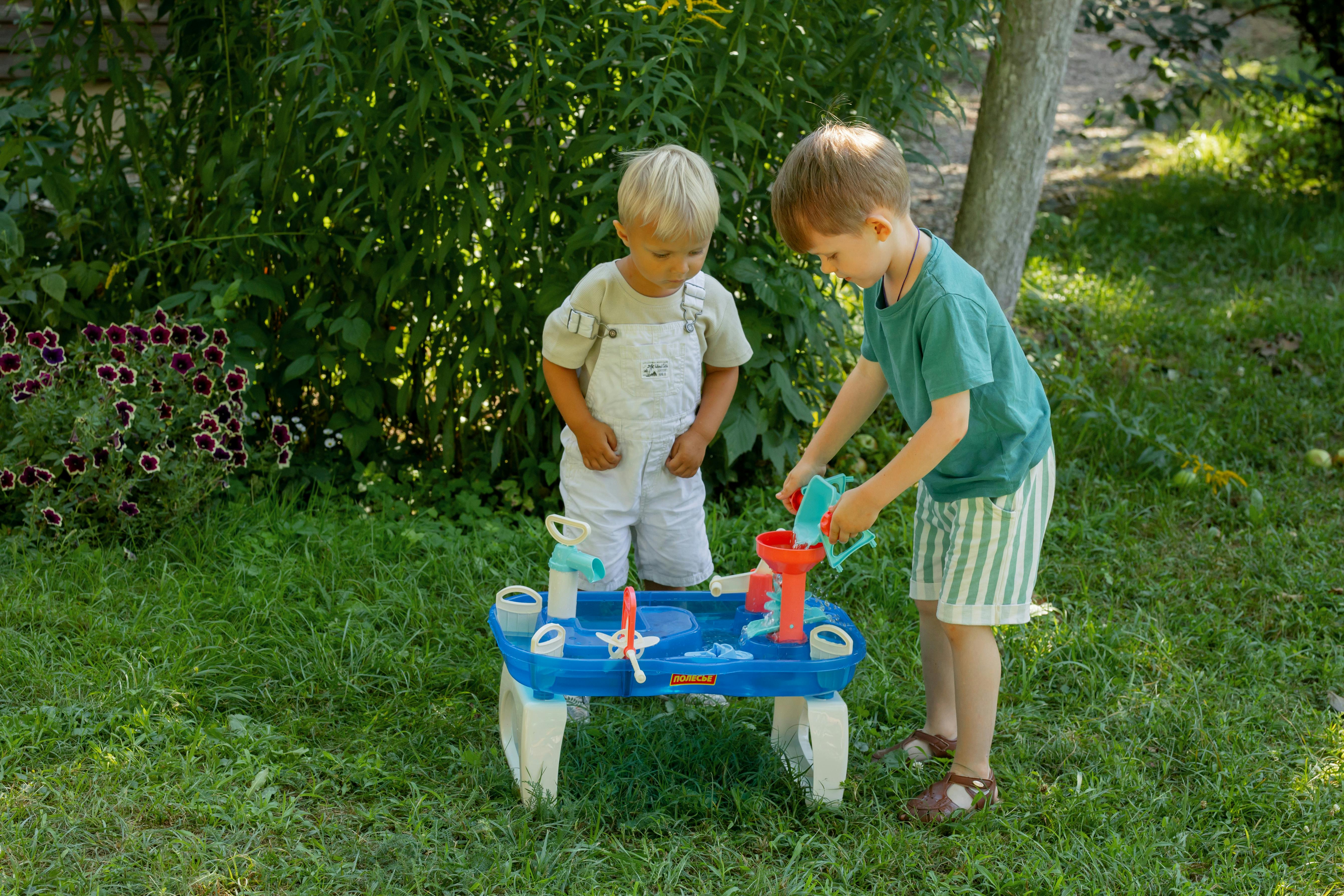
Social skills are often taught explicitly through ABA because they are not always intuitive. Skills such as greetings, turn-taking, and reading social cues are broken into small, manageable steps and practiced through modeling and role-play.
Example: A child practices greeting peers:
- Eye contact
- Waving
- Saying “Hi”
Each step is reinforced, building confidence and success over time.
Social Behavior Modification & Group Learning
ABA emphasizes teaching what to do, not just what to avoid, using positive reinforcement.
Example: A child who grabs toys learns to say “my turn” and wait. Each successful attempt is praised and reinforced.
Group social skills sessions provide structured, supportive opportunities to practice with peers, often centered on shared interests to reduce anxiety and increase engagement.
Supporting Peer Relationships and Friendships
Friendship building in autism focuses on quality over quantity. Children are supported in forming connections that feel safe, predictable, and enjoyable.
Shared interests and routines often create the strongest foundation.
Examples:
- A child who loves dinosaurs joins a dinosaur-themed group, using shared interests as natural conversation starters
- A child practices asking “Can I play?” and successfully joins a playground game, boosting confidence
Progress is measured in meaningful moments, not popularity.
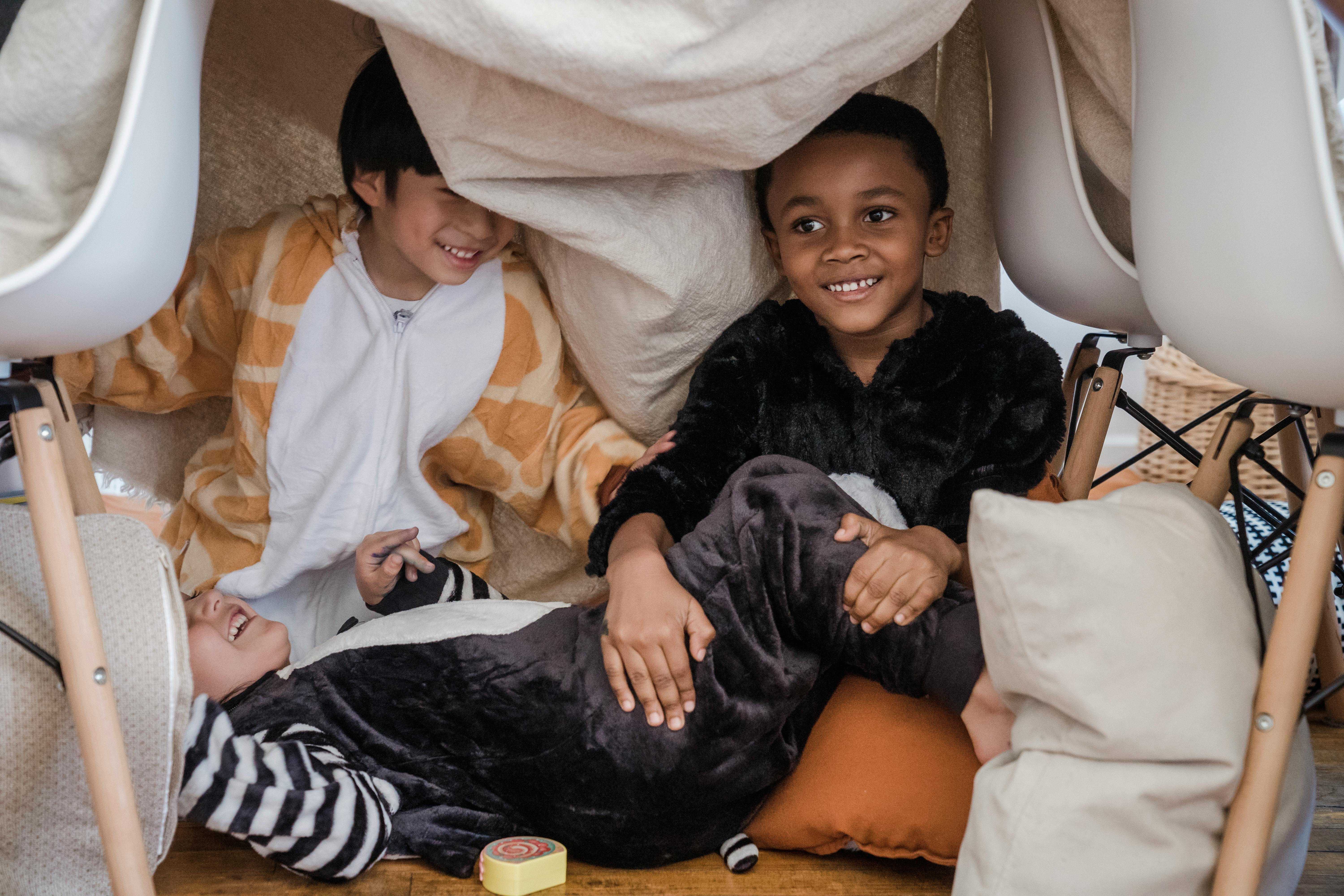
Improving Social Abilities Through Consistency and Collaboration
Lasting progress happens through teamwork. When parents, therapists, and educators consistently reinforce skills across environments, children gain confidence and independence.
Every child’s journey is different—but progress is always possible. Children do not need to change who they are to succeed socially. With evidence-based strategies and compassionate support, they can communicate, connect, and build relationships in ways that honor their unique strengths.
Small steps add up, and every effort matters.
Where to Find Astra ABA Services
Families seeking evidence-based ABA support can find Astra ABA in multiple states, with programs focused on communication, social development, and real-world skill use.
- Indiana Communication Therapy: Individualized ABA services supporting communication, social skills, and daily living
- Kansas Social Development Services: Data-driven ABA programs focused on peer engagement and confidence
- North Carolina Interaction Support: In-home ABA emphasizing functional communication, social interaction, and parent collaboration
Astra ABA partners with families to create personalized plans that support meaningful outcomes at home, school, and in the community.

FAQ’s
1. Does my child want friends if they have autism?
Yes. Many children with autism want friendships, but they may need support learning how to communicate, interact, and connect in ways that feel comfortable to them.
2. What if my child is not speaking yet?
Communication is more than speech. Children can communicate using gestures, pictures, signs, or AAC devices, and ABA helps build these skills step by step.
3. Can ABA therapy help with social skills?
Yes. ABA therapy teaches social skills like turn-taking, greetings, and conversation using structured, evidence-based methods tailored to each child.
4. How does ABA address challenging behaviors?
ABA looks at behavior as communication. Therapists teach more effective ways for children to express needs, reducing frustration and challenging behaviors.
5. How can parents support progress at home?
Parents support progress by using the same communication strategies, routines, and reinforcement techniques taught in therapy across daily activities.
We handle the insurance side for you and there's no waitlist. Send us a few details and we'll check your coverage – free, no commitment.
Check your coverage
.png)


