


Key Points:
- Autism sleep hygiene focuses on consistent routines, environmental supports, and behavioral strategies to improve sleep quality.
- ABA therapy can identify the specific behaviors that interfere with sleep and teach children skills that support independent bedtime routines.
- Strong sleep habits improve daytime behavior, learning readiness, emotional regulation, and family well-being.
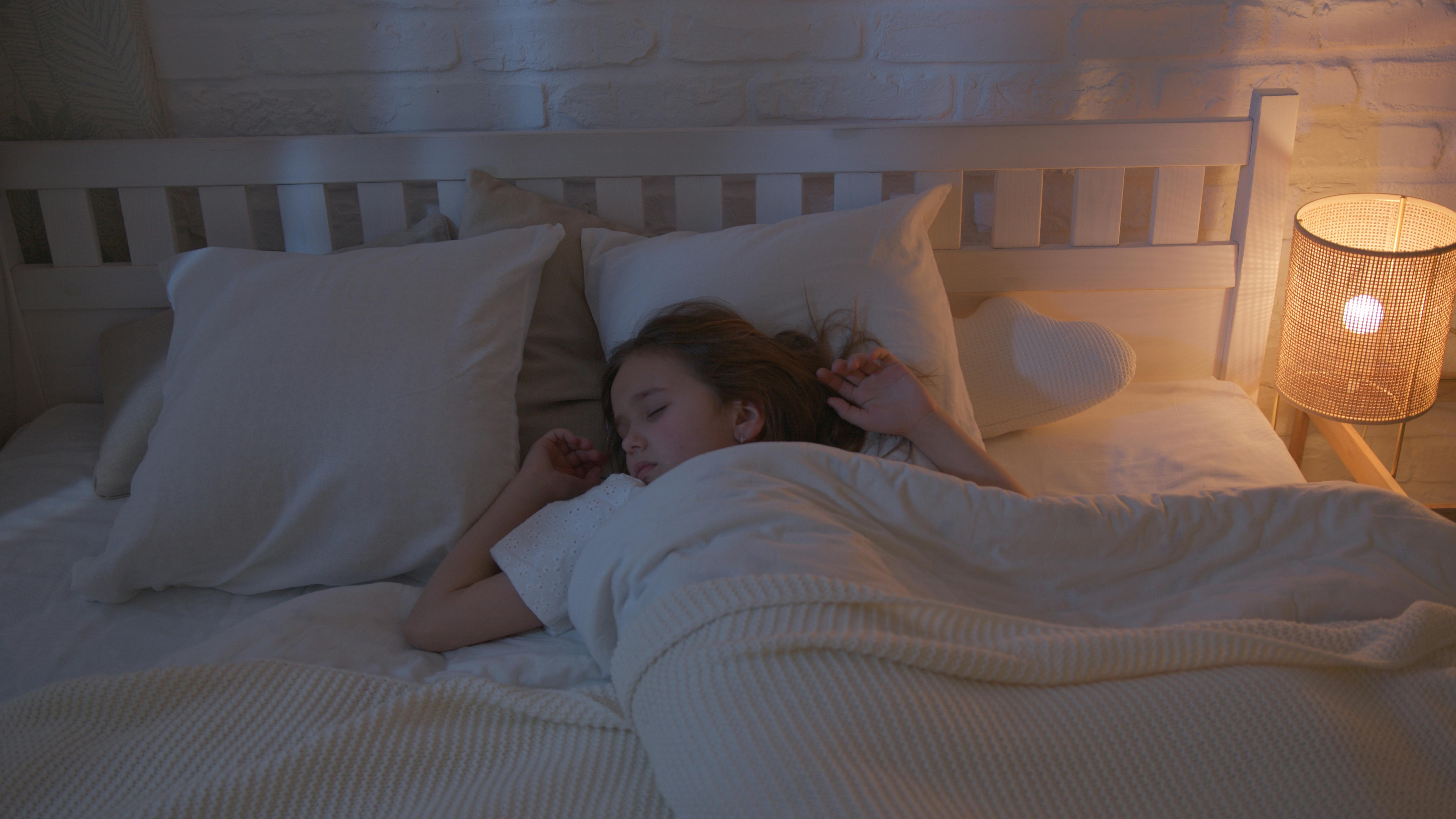
Sleep struggles are one of the most exhausting challenges many families of children with autism face. Long bedtimes, night wakings, early mornings, and anxiety around sleep can leave both children and caregivers depleted. When sleep is disrupted night after night, it impacts learning, behavior, attention, and emotional control. Parents often try many strategies with mixed results. This is where applied behavior analysis, or ABA, can play a meaningful role in supporting healthier sleep patterns and more predictable bedtime routines.
This guide explores how ABA supports autism sleep hygiene in a practical, family-centered way. You will learn why sleep problems are common in autism, how behavior analysis approaches bedtime challenges, and what parents can realistically do to build better sleep habits at home.
Why Sleep Challenges Are So Common in Autism
Sleep difficulties are significantly more common in children with autism than in typically developing children. Research suggests that 50 to 80 percent of children with autism experience chronic sleep problems. Source: Sleep Foundation, https://www.sleepfoundation.org/children-and-sleep/autism-and-sleep
These challenges may include difficulty falling asleep, frequent night waking, early rising, restless sleep, or a complete reversal of the sleep-wake cycle.
Several factors contribute to this. Sensory sensitivities can make typical bedroom sounds, lights, textures, or temperature uncomfortable. Anxiety and rigid thinking may create fear or resistance around bedtime. Communication delays can make it hard for children to express discomfort or fatigue. Medical factors like gastrointestinal discomfort also play a role for some children.
From a behavioral perspective, bedtime struggles often become learned patterns. For example, a child who cries and receives extra attention or screen time may unintentionally be reinforced for staying awake. Over time, these patterns grow stronger.
Understanding these root causes allows ABA professionals to target sleep struggles in a structured, individualized way.
What Autism Sleep Hygiene Really Means
Autism sleep hygiene refers to the habits, routines, and environmental factors that support healthy and consistent sleep for children on the spectrum. It is not just about putting a child into bed at a certain hour.
Strong autism sleep hygiene includes predictable schedules, calm transitions into bedtime, appropriate sleep environments, and consistent caregiver responses to nighttime behaviors.
It also means reducing behaviors that interfere with sleep, such as excessive screen use before bed, irregular sleep times, or high levels of stimulation in the evening.
When autism sleep hygiene is addressed through ABA, each of these elements is assessed through data and direct observation, not guesswork.
How ABA Approaches Sleep Problems
ABA does not treat sleep as a medical issue. Instead, it looks at the behaviors surrounding sleep.
A BCBA begins by identifying what happens before bedtime, what behaviors occur during bedtime, and what happens after those behaviors. This process is called functional behavior assessment.
For example, a child may leave their room repeatedly because it results in parental attention. Another child may resist pajamas because of sensory discomfort. Another may stay awake because the room is associated with play.
Once the function of the sleep-related behavior is identified, the ABA team designs interventions that reduce problem behaviors and strengthen helpful sleep behaviors.
This individualized approach is why ABA is often effective in addressing complex sleep difficulties in children with autism.
Autism Sleep Hygiene and Consistent Routines
Autism sleep hygiene works best when bedtime becomes predictable and emotionally safe. Many children with autism thrive on routine and structure. Bedtime routines provide both.
A consistent routine might include the same sequence each night such as bath, pajamas, story, and lights out. When the routine happens in the same order at the same time, the brain begins to associate those steps with sleep.
ABA supports routine development through visual schedules, task analysis, and reinforcement. Each part of the routine is broken into small, manageable steps. Success is reinforced at every stage.
Autism sleep hygiene routines are not rigid rules. They are flexible plans that evolve with the child’s needs and developmental level.
Environmental Factors That Affect Sleep
The sleep environment has a powerful effect on whether a child with autism can settle and remain asleep.
ABA providers often assess:
- Lighting levels
- Noise exposure
- Bedding textures
- Room temperature
- Visual clutter
- Access to stimulating toys or screens
Small environmental changes often lead to noticeable improvements. Blackout curtains, white noise, weighted blankets when appropriate, or removing distracting toys can dramatically improve sleep readiness.
Autism sleep hygiene emphasizes creating a space that signals rest rather than stimulation.
Teaching Bedtime Skills Through ABA
Many children with autism struggle with the skills involved in going to bed independently. These skills include changing into pajamas, brushing teeth, entering the bedroom calmly, lying down, and staying in bed.
ABA breaks each of these into teachable skills. Prompting, shaping, and reinforcement are used to gradually increase independence.
For example, a child who resists brushing teeth may begin by tolerating the toothbrush nearby. Over time, that tolerance progresses toward full participation.
Teaching these bedtime skills reduces stress for both the child and the caregiver and strengthens autism sleep hygiene overall.
Addressing Bedtime Resistance and Avoidance
Bedtime resistance is one of the most common complaints parents report. Children may cry, refuse to enter the bedroom, or become aggressive as bedtime approaches.
ABA looks closely at how adults respond to these behaviors. If resistance consistently leads to delayed bedtime, extra attention, snacks, or screen time, the behavior is being reinforced.
Intervention may include gradually fading parental presence, using planned ignoring for attention-seeking behaviors, or providing reinforcement for staying in bed.
This does not mean neglecting the child’s emotional needs. It means responding in ways that support sleep rather than prolong wakefulness.

Night Wakings and How ABA Can Help
Some children fall asleep well but wake multiple times during the night. These wakings can turn into learned routines that require parental involvement.
A child who wakes and receives rocking, snacks, or screen time may come to expect those supports every night.
ABA addresses this by gradually fading these supports while reinforcing independent return to sleep. This process is slow and carefully monitored to reduce distress.
Autism sleep hygiene includes consistent responses during the night, just as during bedtime.
Daytime Behaviors That Affect Nighttime Sleep
What happens during the day strongly influences sleep at night.
Physical activity helps regulate circadian rhythm. Excessive napping can disrupt nighttime sleep. Irregular meal schedules can affect digestion and comfort overnight.
ABA providers often review the full daily schedule, not just bedtime. Structured daytime routines support better sleep pressure at night.
Sleep is not an isolated behavior. It is part of a complete daily pattern.
The Role of Sensory Regulation in Sleep
Many children with autism have sensory processing differences that affect their ability to settle at night.
Some seek deep pressure through tight wrapping or heavy blankets. Others avoid certain fabrics or temperature changes. Some become dysregulated by noise that others barely notice.
ABA teams frequently collaborate with families to identify sensory triggers and soothing strategies. Deep pressure input, predictable movement activities, and calming sensory routines often support autism sleep hygiene.
Data Tracking and Progress Monitoring in ABA Sleep Programs
One advantage of using ABA to support sleep is the ability to track progress objectively.
Sleep logs may track:
- Time to fall asleep
- Number of night wakings
- Total sleep duration
- Bedtime behaviors
- Independence at bedtime
This data helps families see real change over time rather than relying on memory alone. It also allows intervention plans to be adjusted when progress slows.
Data-driven decision-making keeps autism sleep hygiene strategies flexible and responsive.
Parent Training and Consistent Follow-Through
ABA therapy is not just for the child. Parents play a central role in sleep success.
Parent training focuses on:
- How to respond consistently to bedtime behaviors
- When and how to reinforce sleep-related skills
- How to manage extinctions and behavior bursts
- How to stay emotionally regulated during challenging nights
Consistency is essential. When parents respond one way one night and another way the next, confusion increases and sleep problems often worsen.
ABA supports parents so they do not have to navigate sleep struggles alone.

Realistic Expectations for Sleep Progress
Sleep is one of the most sensitive and emotionally charged areas of behavior change. Progress is rarely perfect or instant.
Some families see improvement within weeks. Others require several months of consistent routine building and behavior shaping.
Progress is often non-linear. Illness, travel, growth spurts, or routine disruptions can temporarily worsen sleep.
Autism sleep hygiene supported by ABA focuses on steady improvement rather than overnight results.
When to Consider Additional Medical Support
While ABA addresses the behavioral aspects of sleep, some children also need medical evaluation.
Signs that may require medical input include loud snoring, breathing pauses at night, severe reflux, seizures, or sudden and intense sleep shifts.
ABA teams often encourage families to rule out medical contributors before or alongside behavioral intervention.
Behavioral and medical approaches can work together when needed.
How Better Sleep Improves Daytime Learning and Behavior
Improved sleep supports attention, memory, emotional regulation, and learning readiness.
Children who sleep better often show improved behavior at school, increased engagement in therapy, and reduced irritability throughout the day.
Parents also benefit. Better sleep reduces caregiver burnout, improves patience, and strengthens family routines.
Autism sleep hygiene is not only about nighttime. It supports the entire day.
Small Changes That Make a Big Difference
Families often feel overwhelmed by sleep intervention. ABA emphasizes that small changes add up.
Moving bedtime by 15 minutes at a time. Removing one stimulating toy from the bedroom. Adding one calming activity before bed.
Progress grows through manageable steps, not sudden overhauls.
This approach supports long-term success rather than short-lived fixes.
Rest Is a Skill That Can Be Learned
Sleep is not just a biological function. For many children with autism, it is a learned skill shaped by environment, routine, and response.
With the right support, children can learn to settle their bodies, follow bedtime routines, and sleep with greater comfort and predictability.
Autism sleep hygiene supported by ABA gives families a framework to teach these skills with patience and consistency.
If your family is struggling with bedtime or night waking, ABA therapy can support the development of healthy sleep routines through individualized assessments and structured behavior plans. Astra ABA offers ABA therapy in Indiana, North Carolina, and Kansas. Astra ABA is here to help families address sleep-related behaviors, build consistent routines, and strengthen autism sleep hygiene through evidence-based strategies. Reach out to us to get started with ABA therapy!
We handle the insurance side for you and there's no waitlist. Send us a few details and we'll check your coverage – free, no commitment.
Check your coverage


.jpg)