

Key Points:
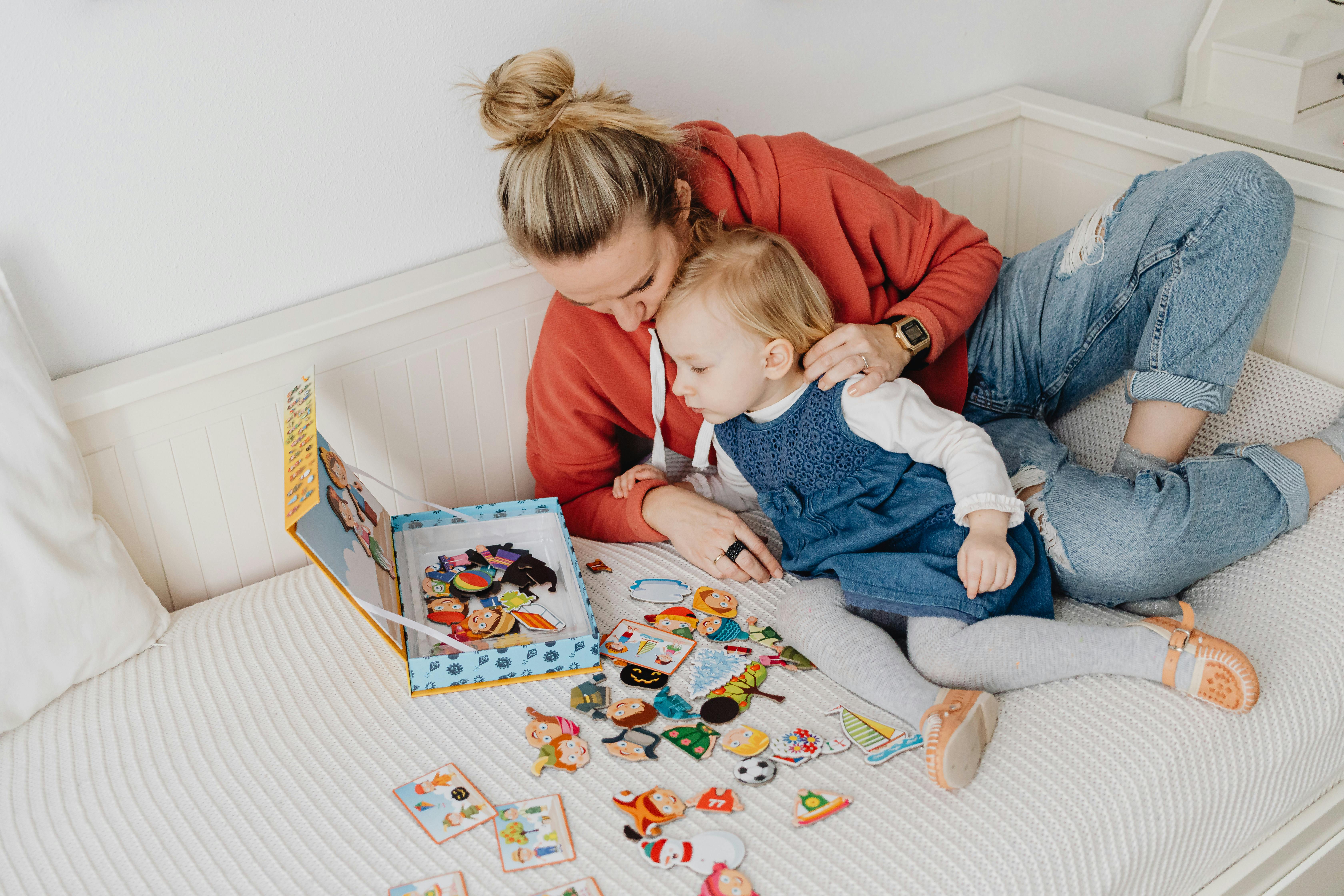
- Parents are essential partners in ABA therapy: When caregivers are actively involved through training and coaching, children make faster progress and maintain skills across home, school, and community settings.
- Family-centered ABA leads to real-life skill use: By embedding strategies into daily routines, therapy goes beyond sessions and supports true generalization of communication, social, and independence skills.
- Consistency drives long-term success: Using the same strategies, prompts, and reinforcement at home and in therapy helps children build confidence, independence, and lasting developmental gains.

Family-Centered ABA Therapy Strengthens Outcomes
Research consistently shows that parent and caregiver involvement is one of the strongest predictors of long-term success in ABA therapy. While therapists may work with a child for a limited number of hours each week, families support learning every day. This closes the “dose gap” between therapy sessions and real life, allowing skills to develop faster, generalize more effectively, and last longer.
When parents reinforce skills during daily routines, such as meals, playtime, and community outings, children show improved communication, emotional regulation, independence, and social engagement.
Why Parent Involvement Makes a Difference
- Skills are reinforced during the other 167 hours of the week
- Children experience greater consistency and predictability
- Therapy goals align with family values and routines
- Skills generalize beyond therapy into real-world environments
- Families feel confident supporting progress at home
What Family-Centered ABA Therapy Looks Like
Family-centered ABA places caregivers at the heart of the therapy process. Rather than acting as observers, parents are empowered as active partners in goal setting, intervention, and progress monitoring.
The Family-Centered ABA Process
- Initial Consultation & Assessmen: A BCBA collaborates with the family to understand the child’s strengths, challenges, routines, and priorities. Parent input guides assessment and baseline data collection.
- Collaborative Goal Setting: Goals are developed together, focusing on meaningful outcomes such as communication, independence, emotional regulation, and social skills.
- Individualized Treatment Planning: Therapy strategies are tailored to the child’s needs and the family’s lifestyle, embedding learning into natural routines.
- Parent Training & Coaching: Parents receive hands-on instruction and practice so they can confidently support learning at home.
- Ongoing Monitoring & Adjustment: Progress is tracked through data and caregiver feedback, with treatment plans updated as the child grows.
This approach reduces stress, builds trust, and ensures therapy supports everyday life rather than adding extra burden.
.jpg)
Everyday Examples of Family-Centered ABA Therapy
Morning Routines & Independence
A child struggles with getting dressed. The therapist breaks the task into small steps (task analysis) and coaches parents to use chaining, visual schedules, and reinforcement to build independence gradually.
Communication Skills
When a child relies on gestures or challenging behaviors to communicate, families are trained in Functional Communication Training (FCT). The child learns appropriate alternatives such as verbal requests, signs, or picture cards, which parents consistently reinforce.
Sibling & Peer Interaction
Parents are coached to model and reinforce sharing and turn-taking during play. Siblings are included in the process, strengthening family relationships and social skills.
Community Outings
For activities like grocery shopping, therapists help families plan ahead using visuals, clear expectations, and preferred reinforcers. These supports reduce anxiety and prevent challenging behaviors.
Managing Challenging Behavior
Instead of reacting to frustration-driven behaviors, parents learn to identify the behavior’s function and teach a replacement skill (e.g., requesting a break), reinforcing appropriate communication immediately.
Parent Training for Autism: Building Skills and Confidence
Parent training programs teach caregivers not only what to do, but why behaviors occur and how to respond effectively using evidence-based ABA strategies.
What Parent Training Covers
- Understanding behavior function
- Teaching communication and social skills
- Supporting emotional regulation
- Managing challenging behaviors compassionately
- Using visual supports and structured routines
- Building daily living skills such as dressing, feeding, and hygiene
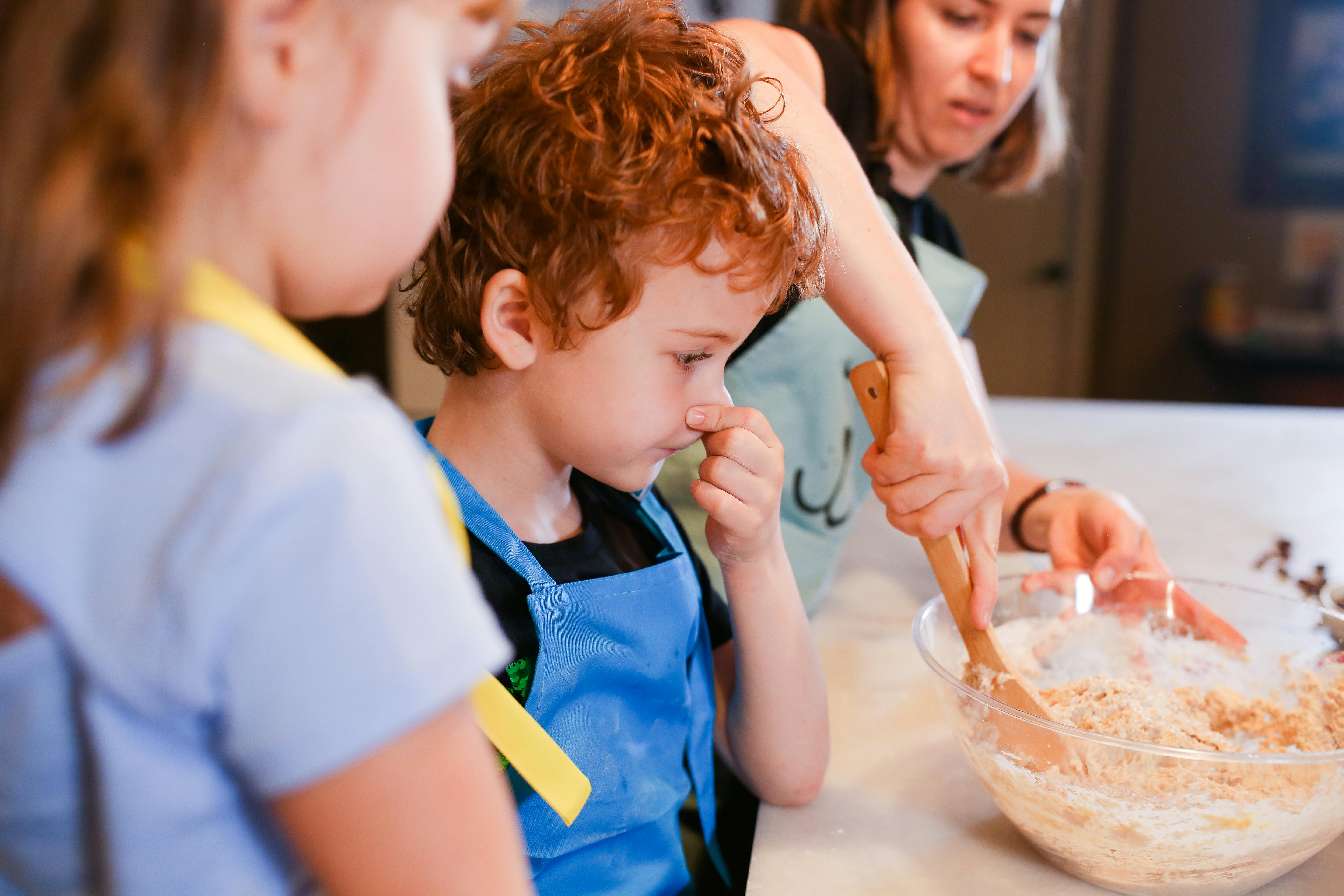
Parents learn to embed strategies into everyday moments—using modeling, prompting, reinforcement, and routine-based teaching—so skills are practiced naturally throughout the day.
Core ABA Strategies Parents Learn
- Positive Reinforcement: Strengthening desired behaviors with praise, attention, or preferred items
- Prompting and Fading: Supporting success, then gradually reducing help
- Visual Supports: Charts, timers, and picture schedules for predictability
- Task Analysis: Breaking complex skills into manageable steps
- Behavior Skills Training (BST): Learning through modeling, role-play, practice, and feedback
These strategies help parents support communication, independence, and emotional regulation in practical, consistent ways.
Caregiver Coaching and Parent-Led Reinforcement
Caregiver coaching focuses on hands-on learning through modeling, role-play, feedback, and problem-solving. A key element is parent-led reinforcement, which makes learning motivating and meaningful within daily routines.
Examples of Parent-Led Reinforcement
- Specific verbal praise (“Great asking for help!”)
- Sticker charts or token systems
- Access to preferred activities after tasks
- Reinforcing small steps toward larger goals
Consistent reinforcement helps children understand expectations and builds confidence.
Consistency and Generalization: Making Skills Stick
True success in ABA occurs when skills move beyond therapy and are used across people, places, materials, and situations. This process, called generalization, requires consistency between home and therapy.
How Consistency Supports Generalization
- Using the same prompts, visuals, and language across settings
- Reinforcing behaviors consistently at home and in therapy
- Embedding goals into natural routines
- Ongoing communication between families, therapists, and educators
Examples of Generalization
- Communication: Requesting items in therapy, at home, and in the community
- Social Skills: Greeting therapists, family members, and peers
- Daily Living: Washing hands or dressing independently in multiple settings
- Emotional Regulation: Using coping strategies at home instead of escalating behaviors
Generalization is intentionally built through collaboration, routine integration, and gradual fading of prompts.
How Home and Therapy Work Together
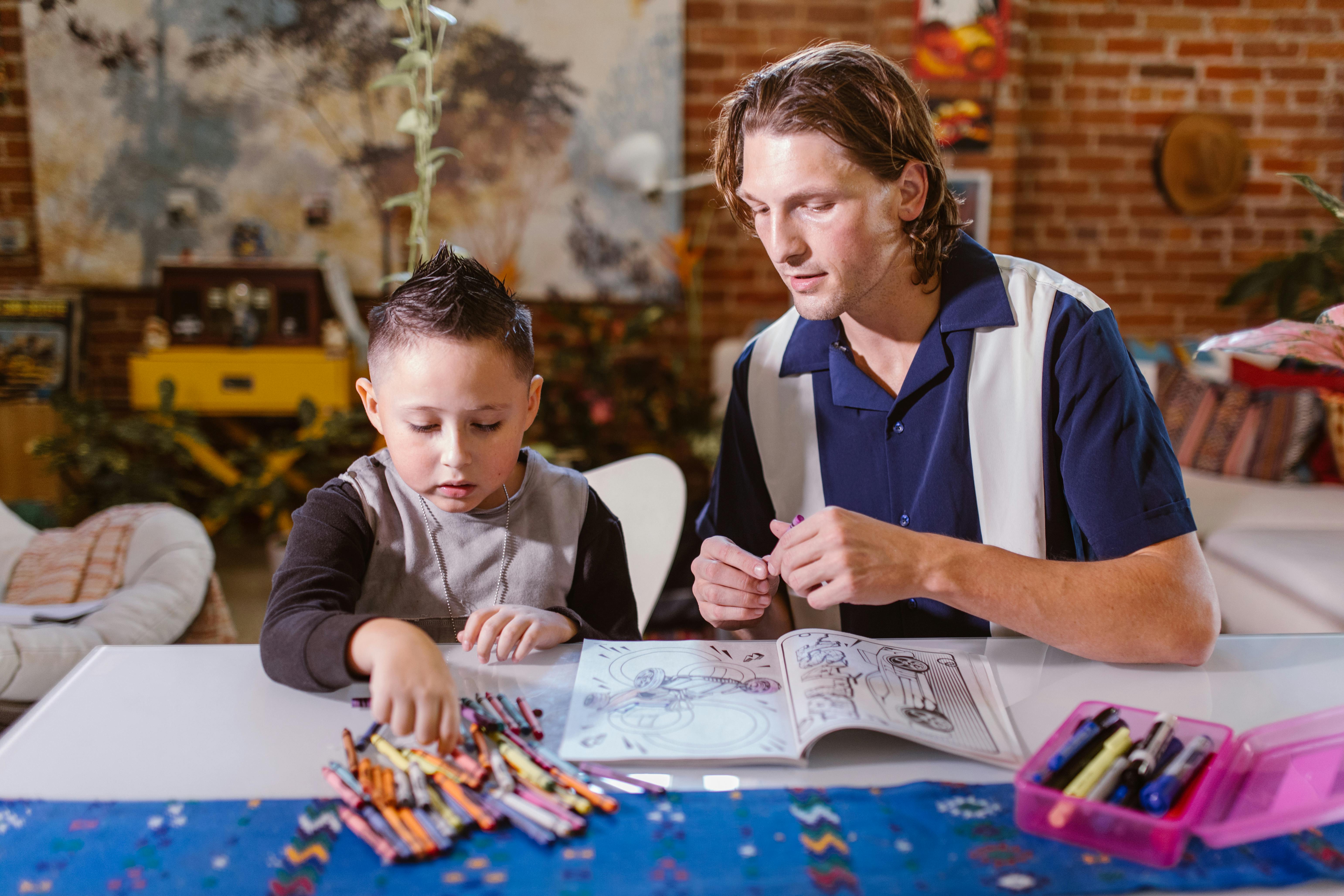
- Parent training equips families to practice skills outside sessions
- Therapists and caregivers use consistent strategies
- Skills are embedded into daily routines
- Support is gradually faded to promote independence
When home and therapy environments align, children gain confidence, independence, and long-term success.
Family-Centered ABA Support at Astra ABA
Astra ABA partners with families to provide evidence-based, family-centered ABA services focused on communication, social development, and real-world skill use.
- Indiana: In-home and community-based ABA supporting communication, social skills, and daily living
- Kansas: Data-driven ABA programs focused on social interaction and peer engagement
- North Carolina: In-home ABA emphasizing functional communication, social interaction, and parent collaboration
What Families Can Expect
- Collaborative, family-centered ABA therapy
- Practical parent training and caregiver coaching
- Support for consistency and skill generalization
- Ongoing guidance tailored to everyday life
By working alongside families every step of the way, Astra ABA helps turn everyday moments into meaningful opportunities for growth, connection, and success. Contact us today.
FAQ’s
1. Why is parental involvement important in ABA therapy?
Parental involvement helps children practice and reinforce skills outside of therapy sessions, leading to faster progress, better emotional regulation, and long-lasting results across home, school, and community settings.
2. What is parent training in ABA therapy?
Parent training teaches caregivers how to use evidence-based ABA strategies—such as positive reinforcement, visual supports, and prompting—to support their child’s development during everyday routines.
3. How does caregiver coaching work?
Caregiver coaching provides hands-on guidance through modeling, role-playing, and feedback, helping parents confidently apply ABA strategies and respond consistently to their child’s needs.
4. What does “generalization of skills” mean in ABA?
Generalization means a child can use skills learned in therapy with different people, in different places, and during real-life situations—such as using communication skills at home or school, not just in sessions.
5. How does Astra ABA support families beyond therapy sessions?
Astra ABA partners with families through family-centered therapy, parent training, and caregiver coaching to ensure skills are practiced consistently at home, promoting independence and long-term success.
We handle the insurance side for you and there's no waitlist. Send us a few details and we'll check your coverage – free, no commitment.
Check your coverage


.jpg)
