

Key Points:
- Maintain Progress Over Summer: ABA therapy during summer helps children with autism continue developing communication, social, and daily living skills, preventing regression during school break.
- Preparation Reduces Anxiety: Using visual schedules, social stories, mock routines, and gradual exposure helps children feel confident and ready for summer programs or camps.
- Flexible Support Options: Families in North Carolina can choose from in-home ABA, clinic-based programs, specialized summer camps, or ESY (Extended School Year) services to keep learning consistent and fun.
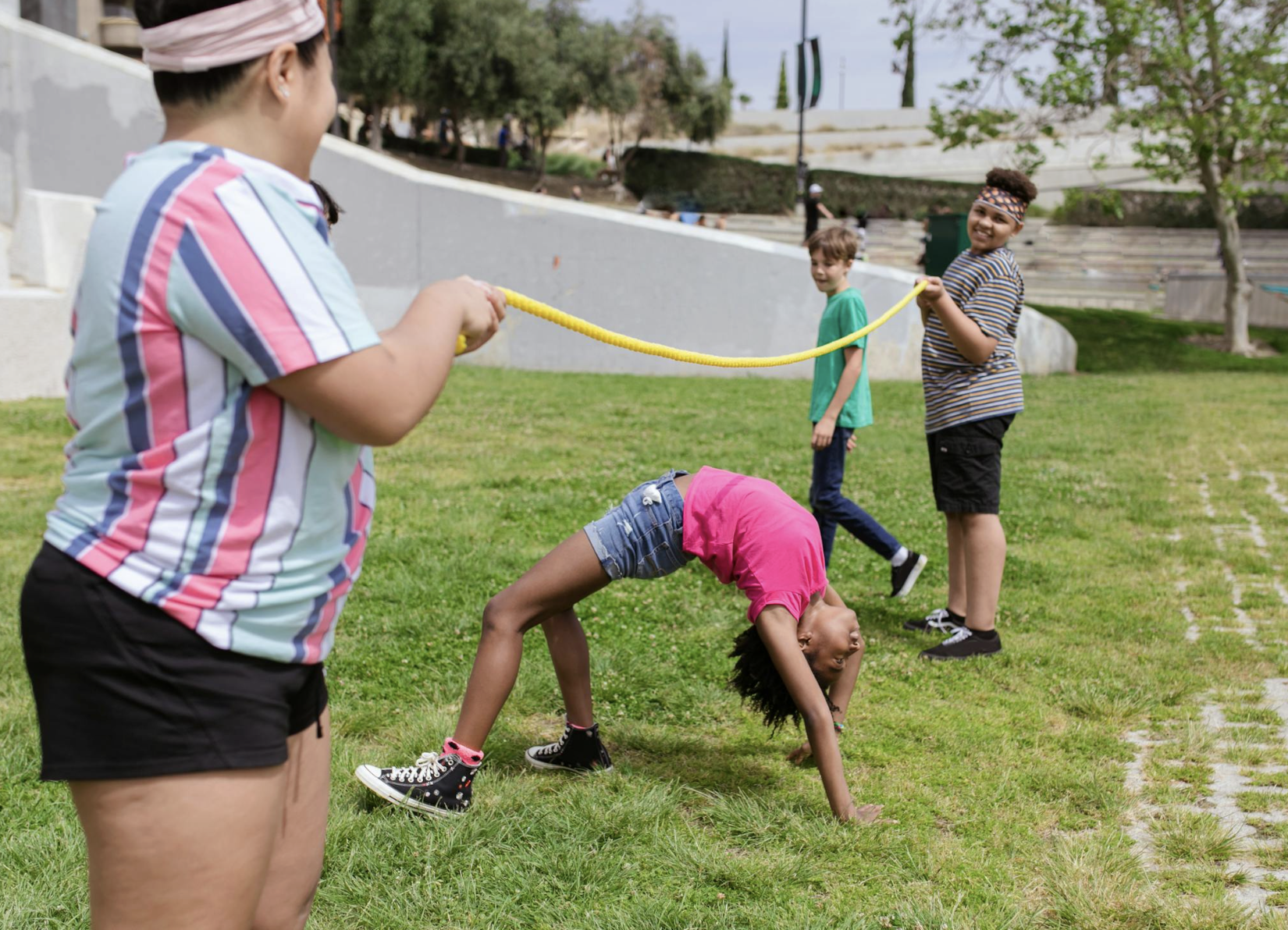
Preparing a child with autism for summer ABA programs or an ABA summer camp in North Carolina requires careful planning, structured routines, and proactive strategies to reduce anxiety and ensure skill retention.
Whether your child is attending in-home therapy, a clinic-based program, or an ABA summer camp North Carolina families trust, using vacation ABA strategies can help maintain progress and generalization skills during school break and prevent the “summer slide.”
Why ABA Therapy During Summer Break Matters
Summer ABA programs in NC are crucial for maintaining learning continuity. Without structured support, children may experience regression in learned skills during the school year. ABA therapy during summer vacation in North Carolina ensures children continue to make progress in:
- Communication skills (verbal and functional communication)
- Social skills (turn-taking, cooperation, peer interaction)
- Behavioral regulation and flexibility
- Daily living and self-care skills
Maintaining ABA progress during summer allows children to return to school ready to learn, confident, and independent. Key benefits include:
- Preventing Regression During Summer Break: Continuous therapy prevents loss of academic, social, and functional skills.
- Maintain ABA Therapy Progress: Summer sessions give children a chance to practice real-world social, communication, and functional skills. Structured strategies reinforce previous learning and IEP goals.
- Ongoing Predictability: Predictable schedules provide consistency for children who thrive on routine.
- Skill Generalization for Further Independence: Daily skills are applied in everyday settings such as parks, community events, and recreational outings, strengthening your child’s ability to use them correctly and gain independence.

Preparation Strategies for Summer ABA Programs NC
Preparing your child in advance increases confidence, reduces stress, and ensures a successful summer experience.
1. Use Visual Tools
- Create a visual calendar or step-by-step schedule showing daily routines, therapy sessions, activities, meals, and transitions.
- Helps children anticipate upcoming events and decreases anxiety.
2. Develop Social Stories
- Picture-based stories explain what to expect: meeting new counselors, group activities, or navigating loud environments.
- Reinforces understanding of rules, routines, and social expectations.
3. Practice “Mock” Camp Days
- Simulate daily camp routines at home, including:
- Packing a backpack
- Dressing independently
- Eating at scheduled times
- Practicing swimming or other camp-specific activities
- Gradually practice transitions from preferred to non-preferred activities using timers or visual cues.
4. Gradual Exposure to the Camp Environment
- Visit the camp or program site multiple times before the start date.
- Take photos of entrances, bathrooms, or classrooms to create a personalized photo book.
- Familiarity with the environment reduces first-day anxiety.
5. Communicate With Staff
- Share your child’s sensory triggers, dietary needs, calming strategies, and accommodations.
- Establish a “safe signal” for when your child needs a break or feels overwhelmed.
6. Practice Independence Skills
- Work on self-care tasks such as toileting, hand-washing, dressing, and packing personal items.
- Increases confidence and reduces reliance on staff during the program.
7. Create a Sensory Survival Kit
- Include noise-canceling headphones, fidgets, stress balls, and comfort items.
- Helps manage sensory overload in stimulating environments.
8. Meet Staff Early
- Schedule a short meeting with counselors to discuss your child’s routines, preferences, and triggers.
- Early collaboration ensures individualized support and safety.

Sensory & Structure Tips
- Calm Before the Crowd: Visit activity areas during quieter hours to reduce sensory stress.
- Structured Routines: Checklists for morning routines like “get dressed,” “eat breakfast,” and “pack backpack.”
- Sensory Regulation: Water tables, sandbox play, and swimming can help regulate the sensory system.
- Safety Preparation: Use visual cues for boundaries and ensure secure activity spaces.
Timeline & Key Takeaways
- Start preparation 2–4 weeks before the program.
- Combine visual schedules, social stories, mock routines, and sensory tools.
- Focus on summer routine and vacation ABA strategies to maintain skills gained during ABA therapy during school break.
Choosing the Right ABA Summer Program in NC
- Assess Needs and Interests:
- Consider your child’s communication abilities, sensory sensitivities, and learning style.
- Determine if a highly structured, small-group setting or a flexible environment is best.
- Identify Program Type:
- Specialized Camps: Designed for children with ASD or learning differences, often with therapeutic supports.
- Inclusive Camps: Traditional camps with additional support for neurodivergent participants.
- Day vs. Overnight: Day programs maintain routine; overnight programs foster independence.
- Evaluate Staff & Safety:
- Ask about training in behavioral management, crisis response, and counselor-to-camper ratios.
- Ask about training in behavioral management, crisis response, and counselor-to-camper ratios.
- Collaborate With Your Team:
- Consult with ABA therapists, schools, and local autism organizations for recommendations.
- Consult with ABA therapists, schools, and local autism organizations for recommendations.
- Plan Ahead:
- Visit the site, develop a visual schedule, and communicate needs to staff before enrollment.

Common Focus Areas for Summer ABA Programs in NC
- Social Skills: Peer interaction, group play, and community outings to practice cooperation and friendship.
- Daily Living Skills: Hygiene, dressing, safety, and independent functioning.
- School Readiness: Structured activities mirror classroom routines to ease fall transitions.
- Summer Skills Autism: Hands-on learning, STEAM projects, literacy activities, and cognitive skill reinforcement.
Extended School Year (ESY) & ABA Summer Options
Extended School Year (ESY) services are no-cost summer programs for students with disabilities at risk of significant skill regression. Determined by the IEP team, ESY focuses on maintaining critical skills rather than teaching new ones.
Key Aspects of ESY & Summer ABA Programs
- Eligibility: Based on regression/recoupment data, emerging skills, and severity of the disability.
- Focus: Prevents loss of existing skills, particularly in communication, social interaction, and daily living.
- ABA in Summer: Private ABA therapy can supplement or replace ESY, providing one-on-one behavioral support, skill reinforcement, and social skill development.
- Alternative Options: Specialized or theme-based summer camps may meet IEP goals better than traditional school-based programs.
Structure of ESY and Summer ABA Programs
- Behavioral Support: ABA techniques address behavioral challenges and maintain consistency.
- Skill Maintenance: Data-driven instruction targets IEP goals, such as communication, hygiene, and functional skills.
- Intensity & Format: Options include in-home ABA therapy or clinic-based sessions, providing flexible summer support.
Benefits: ESY and ABA summer programs bridge the gap between school years, prevent regression, and reduce the time needed to relearn skills in the fall.

Benefits of Summer ABA Programs in NC
- Academic Maintenance: Preserve literacy, math, and functional skills.
- Structured Routine Autism Raleigh: Reduces anxiety and provides stability.
- Skill Generalization: Practice in real-world settings reinforces social and communication skills.
- Independence & Confidence: Engaging, interest-based activities build autonomy and self-esteem.
- High-Interest Engagement: Arts, sports, technology, and STEAM projects maintain motivation and reduce screen time.
What to Look for in ABA Summer Programs in NC
- Duration & Consistency: Programs lasting 5–6 weeks with daily sessions maximize skill retention.
- Trained Staff & Low Ratios: Ensure counselors provide individualized attention.
- Sensory-Friendly Environment: Visual schedules, calming areas, and sensory accommodations prevent overwhelm.
- Communication with Parents: Daily updates keep families informed.
- Individualized Support: Programs should meet your child’s behavioral, communication, and sensory needs.
- Inclusion vs Specialized Camps: Decide whether a fully inclusive environment or an autism-focused camp is best.
Activity Checklist for Parents
- Sensory-friendly and interest-based activities
- Opportunities to practice social, communication, and daily living skills
- Structured routines that mirror school schedules
- Facility tours, staff introductions, and detailed daily schedules
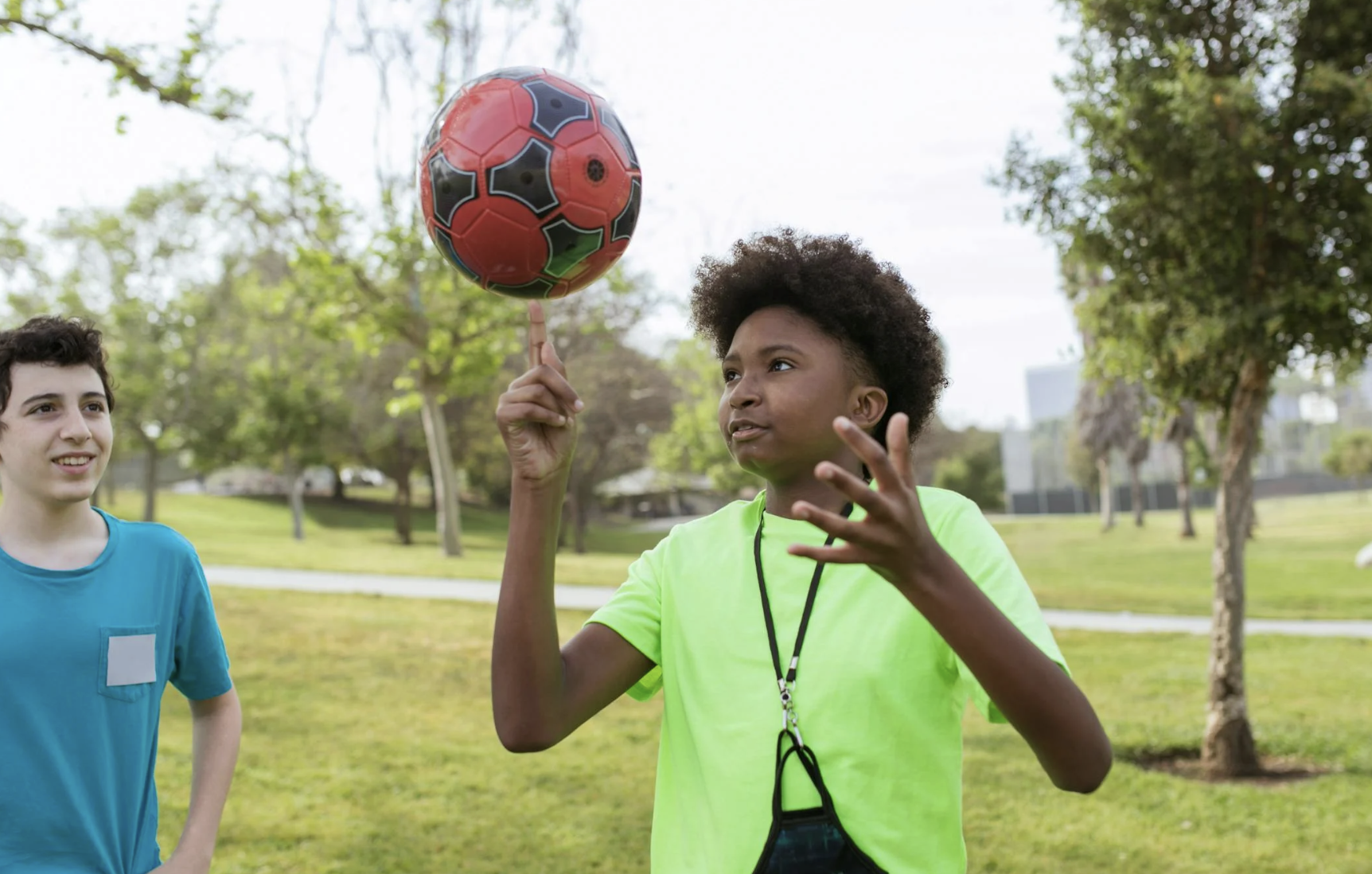
ABA Strategies in Practice During Summer Break: Activities and Home Strategies
If your child is hesitant to attend summer programs, ABA therapy can continue at home during summer break to maintain routines, reinforce skill generalizations in natural settings, and support learning through play-based activities.
Families across North Carolina, including Raleigh, can use these strategies to maintain ABA progress during the summer and prevent regression while school is out:
Top ABA Activities for Summer
1. Playground Social Skills
- Practice turn-taking, sharing, and waiting in line for slides or swings.
- Encourages social skills generalizations in natural settings.
2. Interactive Water Play
- Use sprinklers, water tables, or buckets to practice requesting (“more,” “open”), labeling objects, and following directions.
- Supports communication and functional language development.
3. Summer Cooking and Crafts
- Make simple recipes (like fruit kabobs) or crafts to reinforce sequencing, fine motor skills, and multi-step directions.
- Encourages independent task completion and cognitive skills practice.
4. Community Outings
- Visit libraries, grocery stores, or local parks to practice safety, social greetings, requesting items, and public behavior.
- Promotes skill generalization outside the home.
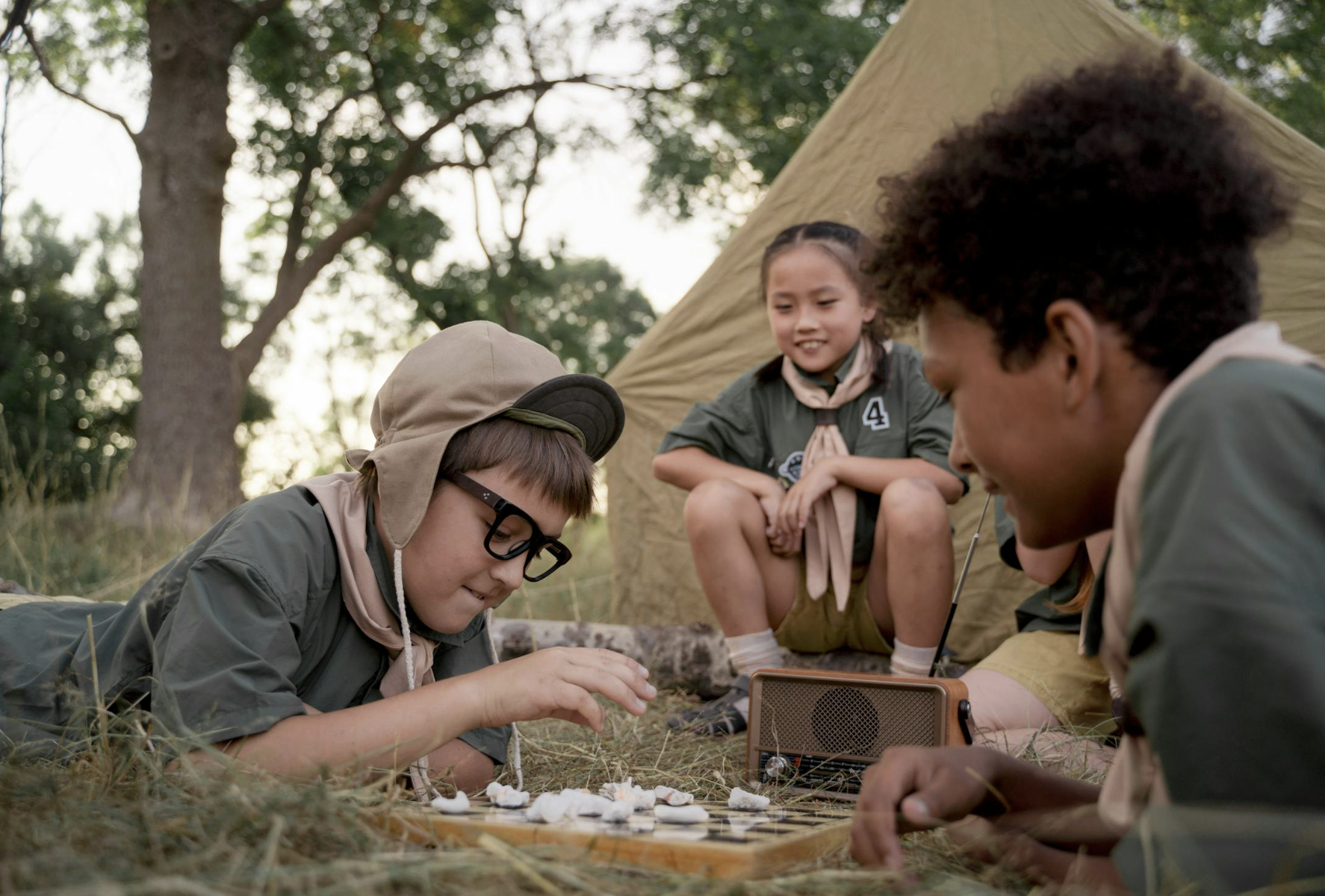
5. Structured Play and Board Games
- Use puzzles, memory games, or turn-taking card games to improve focus, patience, and social interaction.

Maintain ABA Through Summer Break at Home
Families can continue ABA progress during summer using simple, structured strategies at home:
1. Maintain a Modified Routine
- Keep set times for meals, play, therapy sessions, and sleep to provide predictability.
- Use visual schedules or first/then boards for transitions.
2. Incorporate Play-Based Learning
- Turn daily activities like cleaning up, washing hands, or setting the table into skill-building opportunities.
- Reinforce communication, following directions, and problem-solving through fun, engaging tasks.
3. Use Natural Reinforcement
- Pair tasks with preferred summer activities, such as playground visits or water play, to motivate participation.
4. Focus on Life Skills
- Use summer to practice toileting, dressing, and hygiene with a relaxed schedule.
- Encourage independence with small, manageable steps and consistent reinforcement.

5. Practice Social Interaction
- Arrange small, safe playdates or family activities to practice greetings, sharing, and conversational skills.
- Encourage turn-taking games or cooperative chores to reinforce social rules.
6. Generalize Skills in Community Settings
- Take short trips to the grocery store, library, or park and use these outings to practice communication, safety, and social skills in real-world contexts.
7. Use Visual Supports and Prompts
- Visual schedules, choice boards, and first/then boards help children anticipate activities and transitions, reducing stress and behavioral challenges.
Tips for Successful Summer ABA at Home
- Consistency: Keep routines predictable even with vacation or special outings.
- Reinforcement: Reward skill completion with preferred activities or praise.
- Flexibility: Adapt sessions to your child’s energy, attention, and sensory needs.
- Data Tracking: Keep a simple log of progress on target goals to share with your ABA provider.
Keep Skills Strong All Summer
ABA therapy during summer vacation in Raleigh and across North Carolina ensures children maintain progress and continue growing academically, socially, and emotionally. Enrolling in summer ABA programs, NC, or ESY services prevents regression, reinforces skills, and prepares children for a successful new school year.
For more tips on keeping skills strong during summer break and ideas for at-home ABA activities, contact us to learn how we can support your child’s summer learning and development.
FAQs
1. What is the purpose of ABA therapy during summer break?
ABA therapy during the summer helps maintain skills learned during the school year, prevents regression, and supports generalization of communication, social, and daily living skills in real-world settings.
2. How do I prepare my child for a summer ABA program or camp?
Preparation includes using visual schedules, social stories, “mock” camp routines at home, gradual exposure to the environment, and sharing your child’s needs with program staff. These strategies reduce anxiety and boost confidence.
3. What types of summer ABA programs are available in North Carolina?
Families can choose from specialized autism-focused camps, inclusive camps with additional support, clinic-based ABA programs, in-home ABA therapy, or Extended School Year (ESY) services offered through public schools.
4. How can I maintain ABA progress at home if my child doesn’t attend a summer program?
Simple strategies include keeping a predictable routine, practicing life skills, incorporating play-based learning, arranging small social interactions, and using visual supports to reinforce communication, social, and functional skills.
5. What skills are typically targeted in summer ABA programs?
Summer ABA programs focus on communication (verbal and functional), social skills (sharing, turn-taking, cooperation), behavioral regulation, daily living skills (dressing, hygiene), and school readiness activities.
6. How can I choose the right summer ABA program for my child?
Consider your child’s sensory sensitivities, learning style, communication abilities, and interests. Evaluate program structure, staff qualifications, safety measures, and whether an inclusive or specialized environment is most suitable.
7. What is an Extended School Year (ESY) program, and how does it differ from private summer ABA?
ESY is a no-cost, school-provided program focused on maintaining critical skills for students at risk of regression. Private summer ABA programs offer individualized, intensive therapy, skill reinforcement, and one-on-one support that may supplement or replace ESY.
8. What should I include in a sensory or “survival” kit for summer programs?
Include items your child finds calming or regulating, such as noise-canceling headphones, fidget toys, stress balls, visual supports, or comfort objects. This helps your child manage sensory challenges during camp or program activities.
We handle the insurance side for you and there's no waitlist. Send us a few details and we'll check your coverage – free, no commitment.
Check your coverage
.png)


