


Key Points:
- ABA home routines help children with autism practice skills where they naturally occur, leading to stronger retention and generalization.
- Small, consistent ABA strategies built into daily activities often lead to more meaningful progress than long isolated sessions.
- Parent involvement and consistency across routines are key to sustaining behavioral and independence gains at home.

Families often leave therapy sessions feeling hopeful, only to wonder how to carry that progress into everyday life. Many parents ask, “Are we doing enough at home?” or “How can we help without turning our house into a therapy clinic?” These are and valid concerns. The reality is that progress is strongest when learning does not stop at the clinic door. This is where ABA home routines become essential.
When applied thoughtfully, ABA strategies can blend into your child’s natural daily schedule without overwhelming your family. This article will guide you through how to build ABA home routines into everyday life, what skills fit into which parts of the day, how to stay consistent, and how to avoid common pitfalls that slow progress.
Why ABA Home Routines Matter for Long-Term Progress
Children with autism learn best through repetition, structure, and meaningful practice. Skills taught only in therapy settings may take longer to appear in daily life if not reinforced at home.
Research consistently shows that parent involvement in behavioral intervention improves outcomes. One large review found that parent-implemented ABA strategies are linked to gains in communication, adaptive behavior, and social skills when applied consistently at home. Source: National Library of Medicine, https://pubmed.ncbi.nlm.nih.gov/29129378/
ABA home routines help children practice skills where they naturally occur. Brushing teeth in the bathroom. Asking for help in the kitchen. Waiting during a family errand. These real-world repetitions strengthen learning far beyond what a few therapy hours alone can offer.
Understanding What “ABA at Home” Really Looks Like
ABA at home does not mean rigid drills all day. It means identifying natural opportunities to practice skills that already fit into your child’s daily life.
For example, a child working on requesting can practice during snack time. A child learning self-care can practice during morning routines. A child building emotional regulation can practice during transitions or unexpected changes.
ABA home routines focus on functional skills that improve independence, communication, and behavior in real contexts. This is what makes them sustainable.
How ABA Breaks Down Daily Routines into Teachable Moments
ABA works by breaking large tasks into small steps. Each step becomes a teachable unit that can be practiced and reinforced.
For example, getting dressed may include:
- Choosing clothes
- Putting on a shirt
- Pulling up pants
- Zipping or buttoning
- Putting socks and shoes on
Each step can be taught gradually, with prompts and reinforcement faded over time. This same principle applies to meals, hygiene, bedtime, play, and transitions.
ABA home routines use task analysis and consistent practice to turn complex routines into manageable learning experiences.
Using ABA Home Routines During Morning Transitions
Mornings are often rushed and emotionally charged. They are also rich with learning opportunities.
Children can practice:
- Waking up and transitioning out of bed
- Following a visual schedule
- Completing hygiene steps
- Making simple choices such as food or clothing
- Transitioning calmly out the door
Using visual supports, timers, and predictable sequencing reduces stress and increases independence. Reinforcing successful steps keeps motivation high.
ABA home routines in the morning help prevent daily power struggles and set a positive tone for the day.
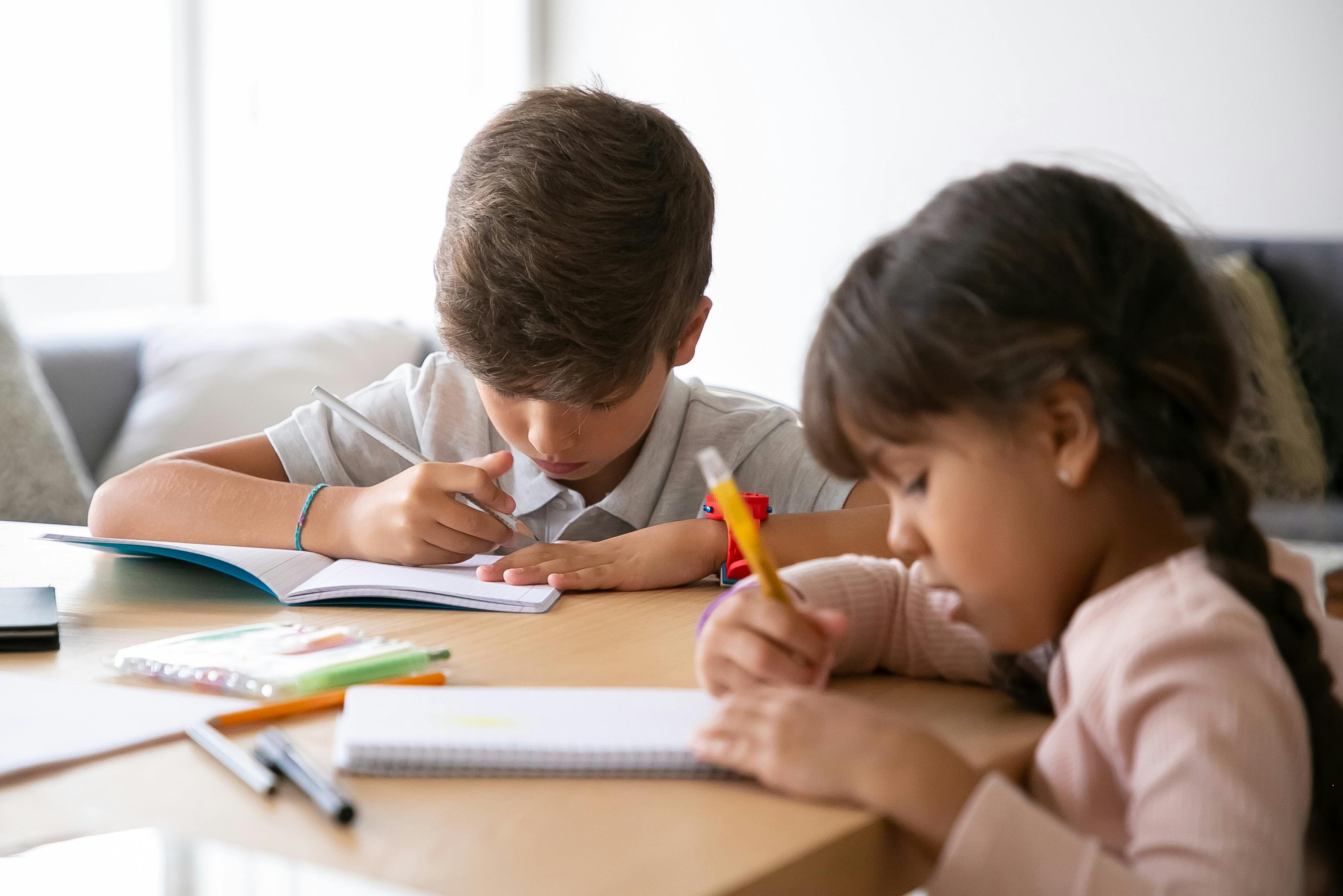
Building Skills Through Meal and Snack Routines
Mealtimes offer consistent opportunities to work on communication, patience, social skills, and self-help.
Skills commonly targeted through ABA home routines at meals include:
- Requesting food or utensils
- Waiting before eating
- Using utensils appropriately
- Cleaning up after meals
- Sitting at the table for increasing periods of time
Reinforcement might be access to preferred foods, praise, or additional social interaction. Over time, these routines build independence and reduce disruptive mealtime behavior.
Strengthening Communication Inside ABA Home Routines
Communication goals benefit greatly from frequent natural practice. Relying only on therapy sessions to build language often limits progress.
ABA home routines create multiple chances each day for communication:
- Asking for help during play
- Requesting during errands
- Commenting during shared activities
- Expressing discomfort or preferences
For children who use alternative communication systems, home routines help generalize those tools across settings and partners.
The more communication is required for daily success, the faster meaningful progress occurs.
Teaching Play and Social Skills at Home
Social learning does not only happen with peers in school. Families are powerful teachers of social behavior.
ABA home routines can support:
- Turn-taking during games
- Sharing materials with siblings
- Following simple group play rules
- Practicing greetings and closings
- Tolerating losing during games
Play-based teaching keeps learning enjoyable while shaping important interpersonal skills.
ABA Home Routines for Challenging Behavior Reduction
Many behaviors that concern parents happen at predictable times such as transitions, waiting, denied access, or changes in routine.
ABA addresses these moments by teaching replacement skills. Instead of screaming, the child learns to request help. Instead of running away, the child learns to ask for a break.
ABA home routines allow caregivers to teach and reinforce those replacement behaviors in the exact moments they are needed.
Over time, this reduces frustration for both the child and the family.
Data Tracking Without Turning Home Into a Clinic
One fear parents often have is that data collection will feel overwhelming. Home data does not need to be complex.
Simple notes such as:
- How many times the child independently completed a task
- How long a meltdown lasted
- How many successful transitions occurred
These brief observations help the therapy team adjust strategies without disrupting family life.
ABA home routines stay flexible when progress is tracked in simple, realistic ways.
The Importance of Consistency Across Caregivers
One of the biggest barriers to success is inconsistency. When one caregiver follows the plan and another responds differently, confusion increases.
ABA home routines work best when:
- All adults use similar prompts
- Reinforcement rules are consistent
- Expectations remain predictable across days
Consistency does not require perfection. It requires effort and communication among adults involved in care.

Common Challenges Families Face with ABA Home Routines
Families are busy. Schedules change. Fatigue sets in. These realities make consistency difficult.
Common obstacles include:
- Feeling overwhelmed by too many goals
- Uncertainty about how to respond in difficult moments
- Emotional burnout
- Competing demands from work or siblings
ABA teams often help families simplify goals and focus on what matters most at each stage.
Two Practical Ways to Start ABA Home Routines Today
If you are feeling unsure about where to begin, start small. These are practical entry points that work for many families:
- Choose one routine to focus on first, such as bedtime, meals, or transitions. Apply ABA strategies there before expanding.
- Pick one core skill to practice across multiple routines, such as requesting, waiting, or transitioning calmly.
Small success builds confidence for both the child and the caregivers.
How Long It Takes to See Progress at Home
Progress timelines vary for each child. Some children show noticeable changes in weeks. Others need months of steady repetition.
Consistency usually matters more than intensity. A few minutes of daily practice within ABA home routines often produces better results than rare long practice sessions.
Growth is rarely linear. Plateaus and regressions happen. What matters is sustained support over time.
The Science Behind Daily Practice and Generalization
Generalization refers to a child’s ability to use skills across people, settings, and situations. Without home practice, generalization often develops slowly.
Studies on ABA consistently show that skills generalize more effectively when taught across natural environments and with multiple communication partners. Source: National Institute of Child Health and Human Development, https://www.nichd.nih.gov/health/topics/autism/types
ABA home routines are one of the strongest tools available to promote this type of real-world learning.

Keeping ABA Home Routines Realistic and Sustainable
The goal is not perfection. The goal is progress that fits into real family life.
Some days will be smooth. Other days will not. When routines fall apart, you reset and continue.
ABA home routines should grow with the child and adjust with your family’s changing needs.
When to Ask for Additional Support
If ABA home routines feel confusing, difficult to maintain, or ineffective, that does not mean you have failed. It often means you need more guidance.
Behavior plans evolve as children grow. New behaviors, transitions, and environments require new strategies.
Ongoing collaboration with a BCBA helps families adapt routines instead of abandoning them.
A Creative Conclusion: Progress Grows Where Daily Life Lives
The most meaningful learning happens in the moments that make up everyday life. Getting dressed. Sharing meals. Navigating frustration. Playing with siblings. These moments shape independence.
ABA home routines allow therapy principles to live inside these daily experiences. Over time, skills strengthen, behavior becomes more stable, and confidence grows.
Consistent daily practice does not require perfection. It requires intention, patience, and support.
Take the Next Step With ABA Therapy
If you want support building effective ABA home routines, professional guidance can make the process clearer and more manageable. Astra ABA offers ABA therapy in Indiana, North Carolina, and Kansas, helping families integrate meaningful skill practice into everyday life. With structured planning and parent collaboration, ABA therapy can support consistent progress where it matters most, at home.
We handle the insurance side for you and there's no waitlist. Send us a few details and we'll check your coverage – free, no commitment.
Check your coverage

.png)


.png)