

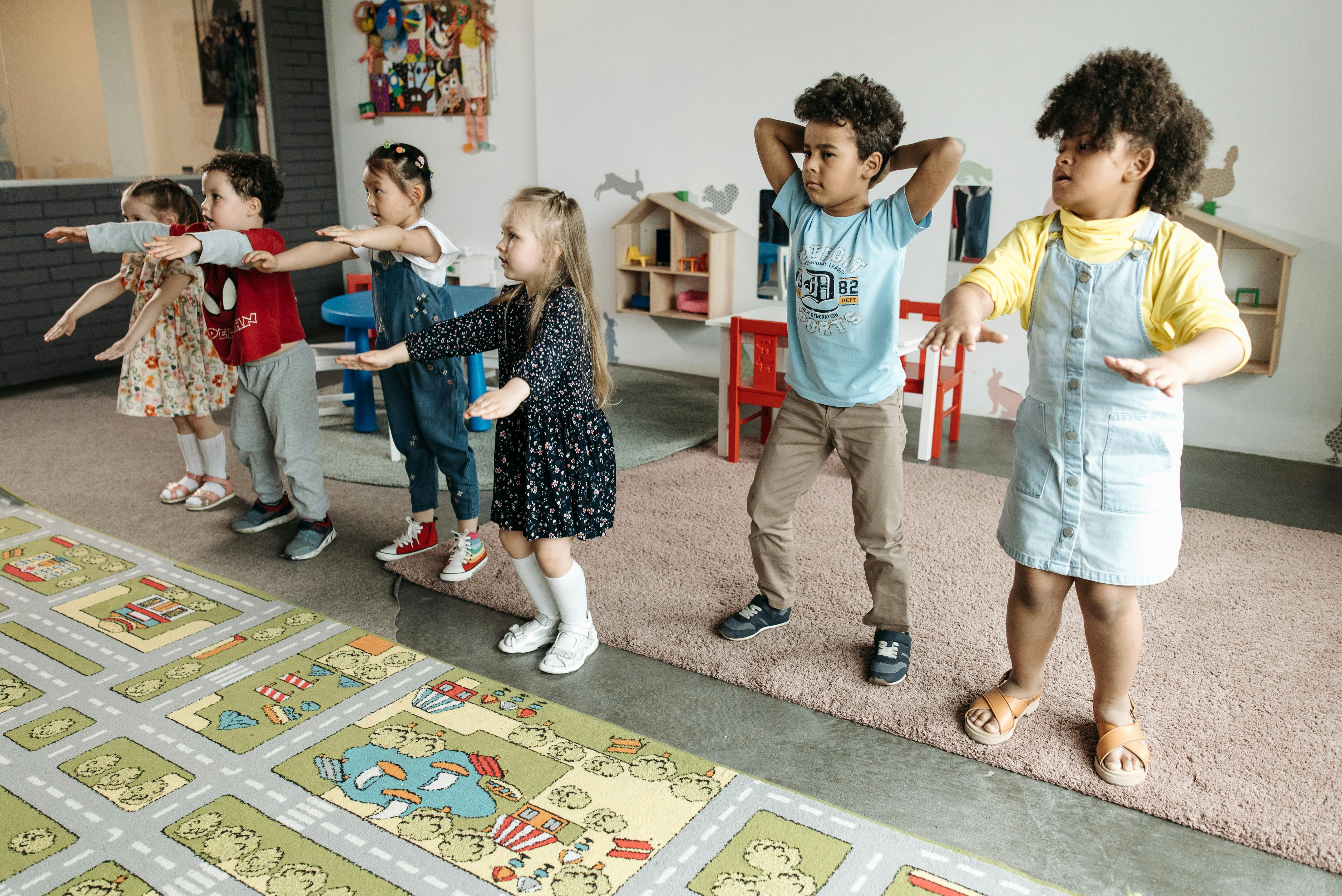
Key Points:
- Early ABA intervention builds foundational communication, social, and regulation skills that support long-term school success.
- School readiness ABA focuses on classroom behavior, independence, and emotional regulation, not only academics.
- Strategic transition planning and collaboration help children maintain progress across home, school, and community settings.

The Power of ABA Early Intervention Programs
Early childhood is a crucial period for learning and development. For children with autism, ABA therapy provides evidence-based support that builds essential skills for long-term success, especially in school. When early intervention is combined with thoughtful planning and collaboration, progress is not only achieved but also maintained over time.
Research shows that children who begin ABA early intervention programs before age five often make greater gains in communication, social skills, and adaptive behavior. By leveraging early brain plasticity, ABA helps children develop core learning skills more efficiently, creating a strong foundation for positive school outcomes.
Early ABA focuses on:
- Functional communication (verbal, nonverbal, or AAC)
- Attention, imitation, and play skills
- Emotional regulation and behavior flexibility
- Early social engagement and joint attention
These skills form the foundation for academic learning and help children approach school environments with greater confidence and readiness.
Developmental Progression & Autism: Building Skills Over Time
ABA therapy is not a one-size-fits-all approach. Programs are individualized to support each child’s developmental progression autism, meeting them where they are while preparing them for what comes next.
Therapy goals evolve as the child grows:
- Toddlers may work on following simple instructions and communicating needs
- Preschool-aged children focus on peer interaction, routines, and pre-academics
- Older children develop independence, self-advocacy, and classroom behavior skills
This intentional progression ensures that skills build logically and remain functional across environments.
Sustain Progress Through Transitions With ABA Therapy
Progress made in therapy must carry over into real life. Sustaining progress through transitions requires consistency, repetition, and collaboration among all adults involved in the child’s care.
ABA strategies that support long-term success include:
- Visual Supports & Predictability: Use schedules, First–Then boards, and timers to clarify routines and reduce anxiety.
- Social Stories & Role-Play: Practice common school scenarios to build confidence and social understanding.
- Environmental Preparation: Arrange school visits and teacher introductions to increase familiarity.
- Skill Building: Teach classroom rules, asking for help, and self-advocacy skills.
- Emotional Regulation: Support coping with stress through breathing strategies, sensory tools, and choices.
- Consistent Routines: Mirror school expectations at home to create predictability.
- Collaboration: Keep therapists, parents, and teachers aligned for consistent support.
When expectations and supports remain consistent, children are better able to maintain gains during changes such as new classrooms, teachers, or routines.
School Readiness & ABA Therapy: Preparing for the Classroom
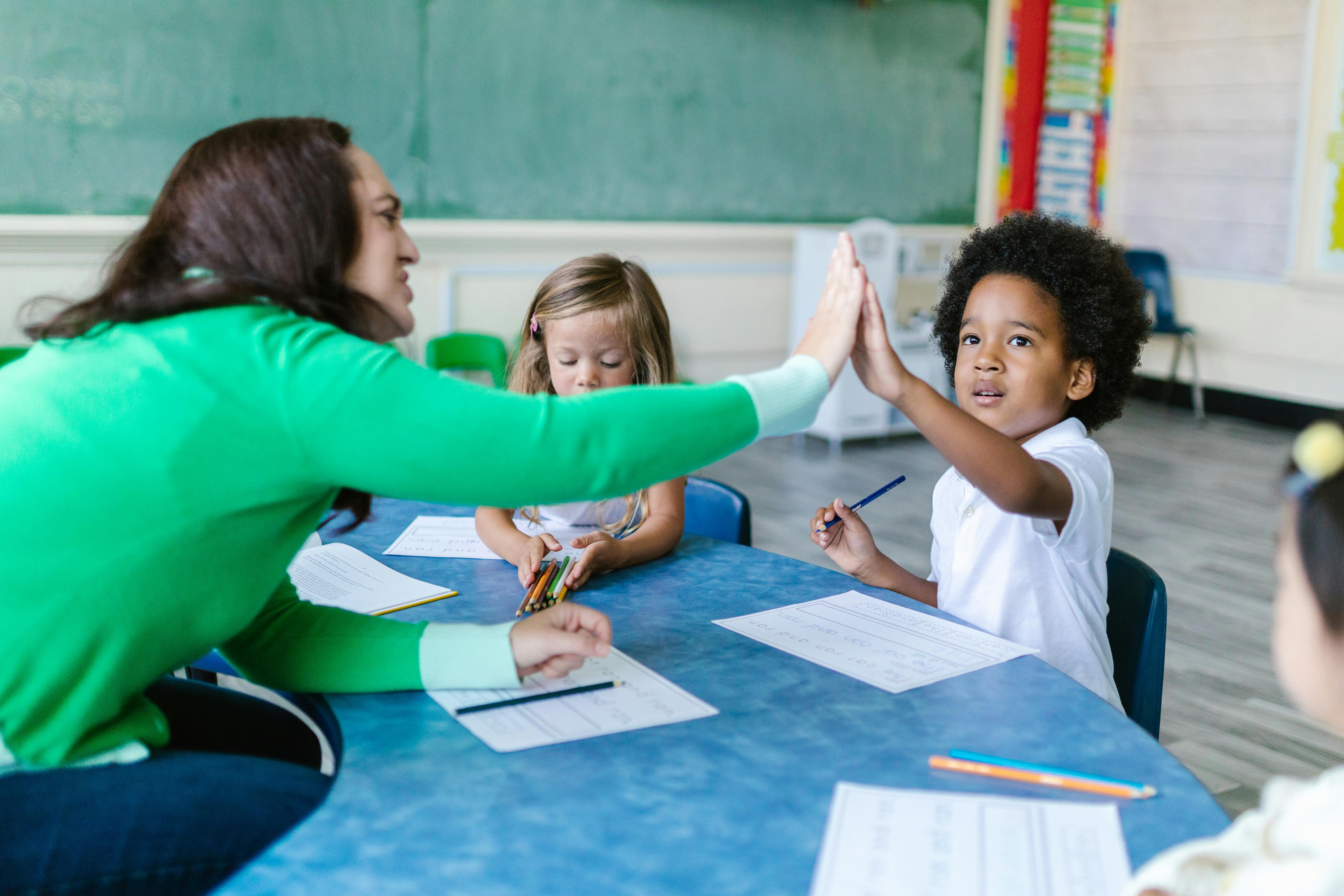
School readiness ABA therapy focuses on teaching the foundational skills children need to succeed in structured classroom environments. Rather than academic skills alone, ABA targets attention, communication, independence, and emotional regulation—skills that allow children to learn, participate, and feel confident at school.
School Readiness ABA Strategies for the Classroom
- Following Classroom Instructions: Children are taught to follow teacher directions, starting with simple requests (e.g., “sit down”) and progressing to multi-step classroom routines (e.g., “take out your book, sit at your desk, and open to page five”). Positive reinforcement builds accuracy and independence.
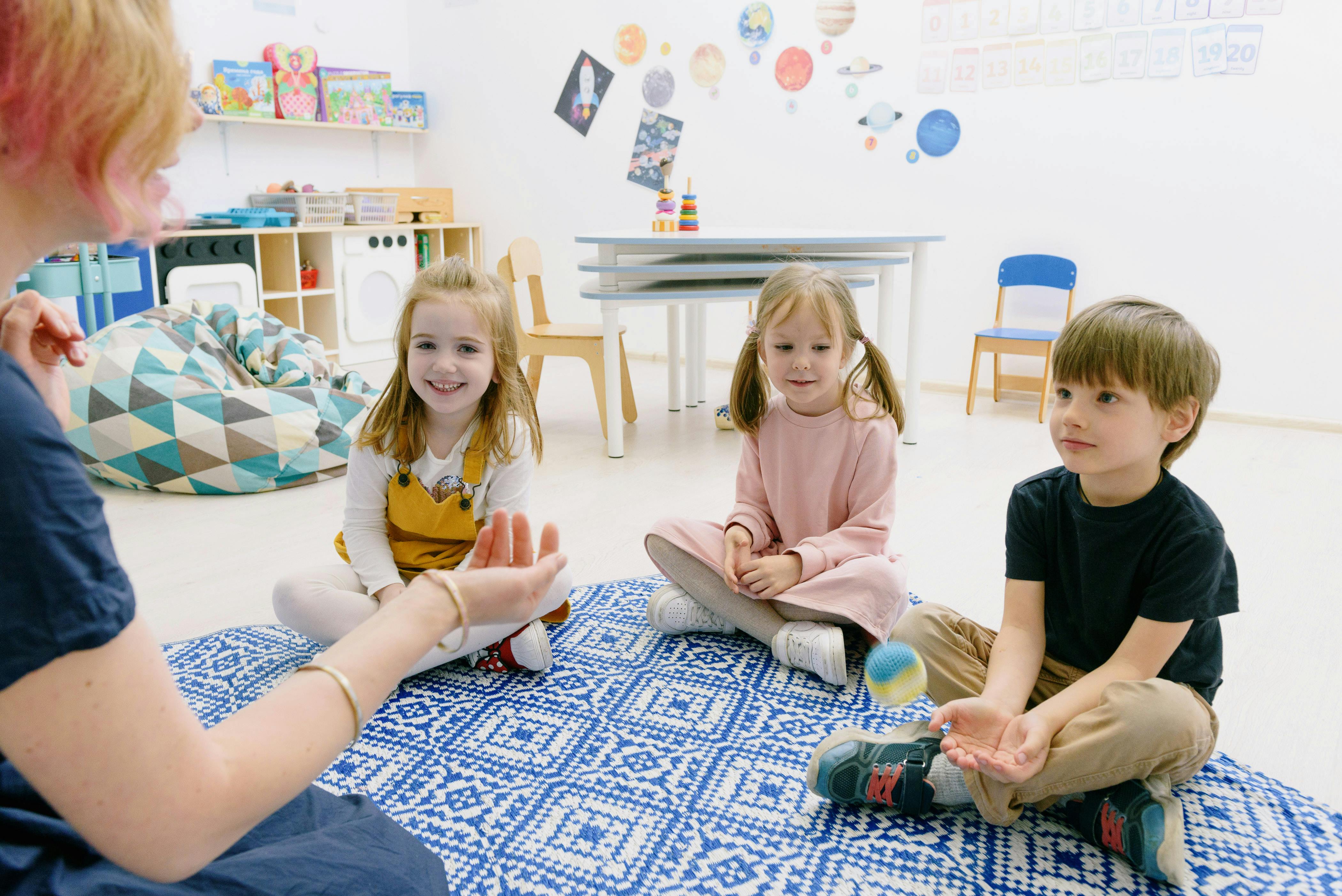
- Attention & Group Sitting: ABA helps children gradually increase their ability to sit and attend during circle time, lessons, or small-group instruction using visual timers, clear expectations, and reinforcement.
- Classroom Transitions: Visual schedules, First/Then boards, countdowns, and transition songs support smooth movement between activities such as centers, recess, snack, and clean-up.
- Functional Communication for School: Children learn to raise a hand, ask for help, request breaks, or communicate “finished” using spoken language, signs, or AAC systems, reducing frustration and classroom disruptions.
- Peer & Social Skills: School readiness ABA targets sharing materials, turn-taking, waiting to speak, and participating in group activities through role-play, structured play, and peer practice.
- Independence & Self-Help at School: ABA supports independence with school routines such as toileting, handwashing, managing backpacks, opening lunch containers, and organizing classroom materials.
- Emotional Regulation in the Classroom: Children are taught to identify feelings and use classroom-appropriate coping strategies, such as deep breathing, asking for a break, using a calm-down space, or sensory tools.
- Pre-Academic Foundations: Early academic concepts—letter and number recognition, matching, sorting, and early writing—are embedded into classroom-style tasks, centers, and independent work.
Classroom Skills Commonly Targeted in School Readiness ABA
- Learning Behaviors: Sitting, attending, following routines, completing tasks
- Communication: Asking for help, responding to teachers, participating in group instruction
- Social Interaction: Cooperative play, group learning, respecting personal space
- Behavioral Flexibility: Tolerating changes, managing transitions, handling corrections
- Independence: Self-care, organization, and classroom responsibility
- Academic Readiness: Early literacy, numeracy, and listening skills
How Families and ABA Teams Prepare Children for the Classroom
- Practice School-Like Routines: Recreate classroom expectations at home, such as sitting at a table, following schedules, and transitioning between activities.
- Preview the School Day: Use visuals or simple explanations to review what the school day will look like, helping reduce anxiety.
- Use Consistent Language: Reinforce classroom language like “wait,” “raise your hand,” and “first work, then play.”
- Reinforce School Skills: Praise and reward behaviors that support learning and independence.
- Collaborate with Educators: ABA therapists, parents, and teachers work together to align strategies, ensuring skills generalize from therapy to the classroom.

Preparing for Kindergarten: How ABA Supports a Successful Start
Preparing for kindergarten is a major milestone for young children, and for children with autism, it requires intentional teaching of skills that go beyond academics. ABA therapy helps children build the social, communication, behavioral, and independence skills they need to transition confidently into a kindergarten classroom.
Key ABA Strategies for Preparing for Kindergarten
- Following Teacher Instructions: Children learn to follow simple classroom directions such as “sit on the carpet” or “put your name on your paper,” gradually progressing to multi-step routines common in kindergarten settings.
- Group Sitting & Attention: ABA helps children build tolerance for group activities like circle time, story time, and table work by gradually increasing sitting and attending time using visual timers, clear expectations, and positive reinforcement.
- Kindergarten Transitions: Visual schedules, First/Then boards, countdowns, and songs prepare children to move smoothly between activities such as centers, snack, recess, and cleanup—key features of a kindergarten day.
- Functional Communication for School: Children are taught to raise a hand, ask for help, request a break, or communicate “finished” using spoken language, signs, or AAC systems to reduce frustration and increase classroom participation.
- Social Skills with Peers: ABA targets sharing, turn-taking, waiting, joining play, and responding to peers through role-play, play-based learning, and small-group practice that mirrors kindergarten interactions.
- Independence & Self-Help Skills: Preparing for kindergarten includes teaching independence with toileting, handwashing, opening lunch containers, managing backpacks, and cleaning up materials with minimal adult support.
- Emotional Regulation in the Classroom: Children learn to recognize feelings and use coping strategies such as deep breathing, asking for help, or using a calm space when feeling overwhelmed in a busy classroom.
- Pre-Academic Foundations: Early learning skills—letter and number recognition, counting, shapes, colors, name recognition, and early writing—are embedded into play, structured activities, and worksheet-style tasks similar to kindergarten work.
Kindergarten Readiness Skills Commonly Targeted in ABA
- Classroom Behavior: Sitting, listening, following routines, transitioning between activities
- Communication: Asking questions, responding to teachers, expressing needs appropriately
- Social Interaction: Playing cooperatively, respecting personal space, participating in group activities
- Independence: Managing personal care and classroom materials
- Behavioral Flexibility: Tolerating changes, waiting, handling frustration
- Academic Readiness: Early literacy, numeracy, and attention skills
How to Support Kindergarten Readiness at Home
- Practice School Routines: Create short “school days” at home with table work, cleanup time, and transitions to build familiarity.
- Use Visual Schedules: Show your child what comes next to reduce anxiety and improve cooperation.
- Model Kindergarten Language: Use phrases like “sit on the carpet,” “wait your turn,” and “raise your hand.”
- Encourage Independence: Allow extra time for your child to complete self-care tasks on their own.
- Collaborate with the ABA Team: Work closely with therapists to align goals and strategies, ensuring skills carry over into the kindergarten classroom.

Transition Planning Autism: From Preschool to Elementary School
The preschool to elementary transition can be overwhelming without proper support. Transition planning autism ensures that children do not lose skills or confidence when moving into a more demanding academic environment.
ABA therapists work with families and schools to:
- Gradually reduce reliance on 1:1 adult support
- Increase tolerance for group instruction and noise
- Generalize skills across settings (home, therapy, school)
- Align behavior strategies across all caregivers
Transition planning is most effective when it begins months in advance, allowing children time to practice and adapt.
Preparation Strategies for Children
- Familiarization Activities: Help children become comfortable with the idea of elementary school by touring the new school or playground, taking photos, or drawing and building what they imagine their new school will look like. Revisiting favorite preschool spaces can also help them reflect on how they’ve grown.
- Role-Playing School Routines: Act out daily school routines such as packing a backpack, lining up, raising a hand, or what to do if they feel worried. Using dolls, stuffed animals, or pretend play makes these skills easier to understand and practice.
- Storytelling & Books About School: Read stories about starting school and talk openly about the characters’ feelings, expectations, and successes to help children process their own emotions.
- Playdates with Future Classmates: Arrange meetups with children who will attend the same school or class to build early peer familiarity and social confidence.
- Transition Songs & Chants: Use songs, chants, or simple rhymes to signal changes between activities, such as cleaning up or getting ready to go outside, helping children manage transitions smoothly.
Support Strategies for Parents and Educators
- “Get to Know You” Opportunities: Arrange virtual or in-person visits with future teachers, classrooms, or support staff to reduce fear of the unknown.
- Review the New Schedule: Talk through the daily routine using simple language and visuals, highlighting longer school days, new subjects, and structured learning times.
- Highlight What’s the Same and What’s New: Emphasize familiar elements like playtime and friendships while gently introducing new expectations such as increased independence.
- Practice Self-Help & Responsibility: Encourage children to take care of personal items, follow routines independently, and manage basic self-care tasks.
- Use Positive, Reassuring Communication: Speak about school in an encouraging and exciting way while acknowledging worries and validating feelings.
Key Areas of Change to Prepare For
- Longer Days & New Routines: Adjusting from shorter preschool schedules to full elementary school days.
- Increased Responsibility: Managing belongings, completing work, and practicing independence.
- Expanded Social Environment: Meeting new peers, teachers, and support staff while navigating more complex social dynamics.
With early preparation, open communication, and consistent practice, children can approach the preschool-to-elementary transition with confidence, curiosity, and excitement for this new chapter in their school journey.
The Role of IEP Coordination in School Success
The Role of IEP Coordination
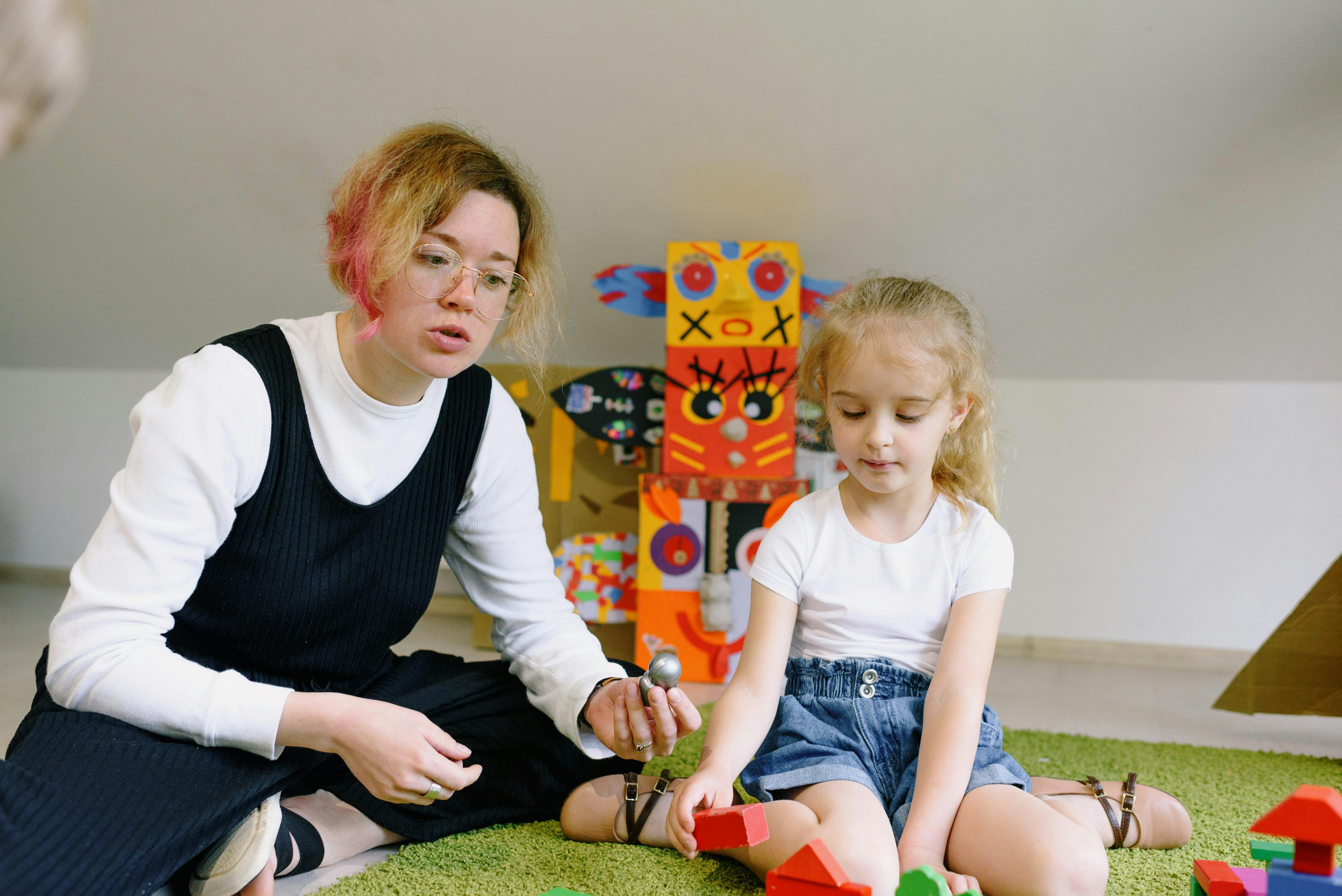
IEP coordination oversees the full process of developing, implementing, reviewing, and adjusting a student’s Individualized Education Program (IEP). The IEP coordinator, often a special education teacher or case manager, acts as the central point of contact, ensuring that services, accommodations, and goals are delivered consistently and that all team members work together effectively.
Key Responsibilities of an IEP Coordinator
An IEP coordinator plays a vital role in supporting student success by managing both collaboration and compliance:
- Facilitating the IEP Process: Organizes and leads IEP meetings, ensuring that all required participants, parents, general and special education teachers, related service providers, district representatives, and the student (when appropriate), are involved and informed.
- Ensuring Legal Compliance: Makes sure the IEP follows all federal, state, and local special education regulations, including requirements under the Individuals with Disabilities Education Act (IDEA).
- Collecting Data and Input: Gathers information from assessments, classroom observations, progress monitoring, and parent and student input to clearly define the student’s present levels of academic and functional performance.
- Documenting and Sharing the IEP: Writes the formal IEP document using clear, measurable, and time-bound goals, along with specific accommodations, supports, and services, and ensures it is shared with all relevant staff.
- Monitoring Progress: Establishes systems to track progress toward goals, reviews data regularly, and communicates updates to parents and the IEP team.
- Coordinating Communication: Serves as the communication hub between teachers, related service providers, families, and outside professionals, ensuring everyone understands their role in implementing the plan.
Example of IEP Coordination in Practice
Student: Leo, a student with ADHD who struggles with executive functioning skills such as planning and organization.
- Initial Planning: The IEP coordinator arranges a Functional Behavioral Assessment (FBA) to understand the underlying causes of Leo’s difficulties. They then schedule an IEP meeting, ensuring participation from Leo’s parents, general education teacher, special education teacher, and school psychologist.
- Collaborative Goal Setting: During the meeting, the team develops a clear, measurable goal:
“Using a color-coded daily planner, Leo will accurately record all homework assignments for 4 out of 5 school days, as verified by the teacher before dismissal.”
- Implementation & Monitoring: The coordinator ensures that the general education teacher provides daily time for planner use and that the special education teacher explicitly teaches Leo how to apply the color-coding system. Progress is tracked daily and shared weekly with Leo’s parents.
- Adjusting Supports: After several weeks, progress data shows Leo is meeting the goal only 50% of the time. The coordinator calls a follow-up meeting to review the data. The team adds a new accommodation, a visual timer at the end of class, to help Leo manage time more effectively when recording assignments.
Through consistent communication, data-based decision-making, and collaboration, effective IEP coordination ensures that supports are implemented with fidelity and adjusted when needed, helping students like Leo build independence and succeed in the general education curriculum.
Continuous Care Planning Across Settings
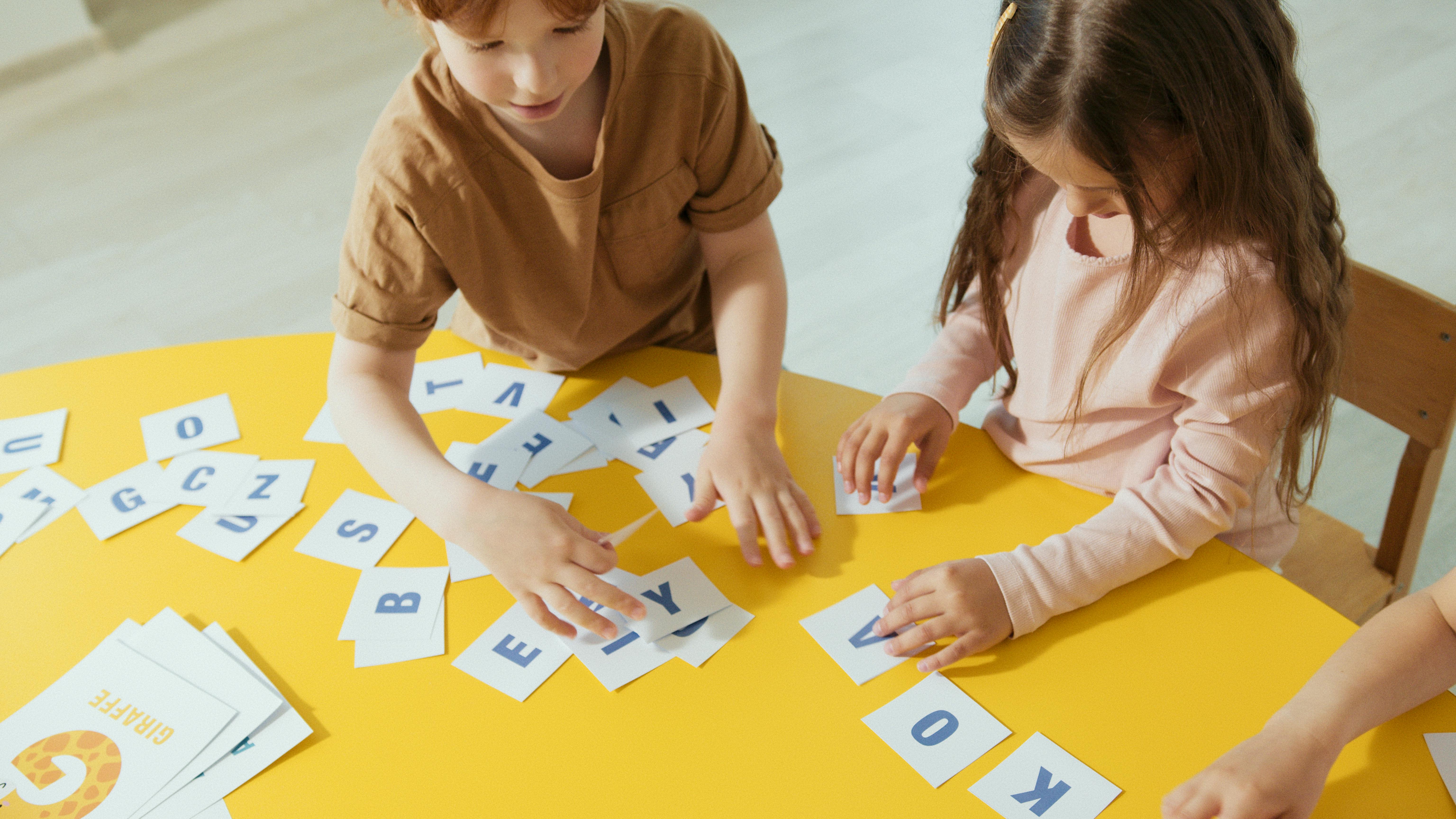
Continuous care planning ensures that a child’s needs are supported consistently across home, school, and community environments. ABA therapy integrates family training, interdisciplinary collaboration, and regular progress monitoring to adapt as the child grows.
This approach supports:
- Consistent routines and expectations
- Clear communication strategies
- Sensory regulation and emotional support
- Long-term independence and quality of life
Core Components of Continuous Care Planning in ABA
- Generalization: Skills are systematically practiced across different settings, people, and materials so they transfer beyond the therapy room.
- Skill Maintenance: Learned skills are strengthened over time to ensure they remain stable even when direct therapist support is reduced.
- Caregiver & Family Involvement: Parents and caregivers are trained to use consistent strategies, such as visual supports and positive reinforcement, at home and in the community.
- Interprofessional Collaboration: Ongoing communication between ABA therapists, teachers, speech-language pathologists, occupational therapists, and medical professionals ensures aligned goals and cohesive support.
- Continuous Assessment & Adjustment: Regular data collection (e.g., frequency, duration, and rate) guides timely updates to treatment plans as the individual’s needs evolve.
Example of a Continuous ABA Care Plan Across Settings
Student: Ethan, a child receiving ABA therapy, is working on functional communication to request help instead of engaging in escape behaviors such as crying or leaving the area.
Therapy Setting: The behavior analyst teaches Ethan to use a clear verbal request (“Help, please”) during structured tasks, using shaping and positive reinforcement. Frequency data is collected to track correct use of the phrase.
Home Setting (Caregiver-Led): Ethan’s parents receive training on prompting and reinforcement strategies. They practice these techniques during daily routines, such as getting dressed or completing homework.
Example: When Ethan struggles to put on his shoes, a parent prompts him to say “Help, please” and immediately provides assistance and praise when he does.
School Setting (Educator-Supported): The ABA team collaborates with Ethan’s teacher to implement consistent strategies, including visual supports and reinforcement for asking for help in the classroom.
Example: A “Help” picture card is placed on Ethan’s desk, and the teacher reminds him to point to it or use the verbal request when he needs assistance.
Community Setting: The family reinforces the same communication skill during outings, such as grocery shopping or playground visits.
Example: When Ethan wants an item that is out of reach, his parent prompts him to ask for help and reinforces the request in the moment.
By coordinating support across therapy, home, school, and community environments, this continuous care approach ensures that Ethan’s communication skills are functional, independent, and maintained over time, supporting long-term success and independence.
Regional Support and ABA Services
Families seeking evidence-based ABA support can find Astra ABA in several states, with programs focused on communication, social development, and real-world skill use.
- Indiana communication therapy: Astra ABA provides individualized ABA services across Indiana, supporting communication development, social skills, and daily living through in-home and community-based care.
- Kansas social development services: In Kansas, Astra ABA offers structured ABA programs that help children build social interaction, peer engagement, and confidence through data-driven therapy.
- North Carolina interaction support: Astra ABA delivers in-home ABA services in North Carolina, emphasizing social interaction, functional communication, and parent collaboration to promote lasting progress.
Early support creates strong foundations. Strategic transitions sustain progress. And with the right ABA partner, success is possible at every stage. Get started with us today.
FAQ’s
1. Why is early ABA intervention important for school success?
Early ABA builds foundational communication, social, and learning skills during critical brain development years, helping children enter school more confident and prepared.
2. How does ABA therapy support school readiness?
ABA focuses on attention, following instructions, transitions, communication, emotional regulation, and independence, skills essential for classroom success.
3. How does ABA help children transition from preschool to elementary school?
ABA uses visual supports, role-play, school visits, and gradual skill building to reduce anxiety, increase predictability, and maintain progress during transitions.
4. What role do parents and educators play in ABA success?
Consistency is key. Collaboration between parents, therapists, and teachers ensures strategies are reinforced across home, school, and community settings.
5. How does ABA support long-term progress beyond therapy sessions?
Through continuous care planning, skill generalization, caregiver training, and regular data-based adjustments, ABA helps skills carry over into everyday life.
We handle the insurance side for you and there's no waitlist. Send us a few details and we'll check your coverage – free, no commitment.
Check your coverage


